



15 Places to Visit in Lebanon: Your 2025 Travel Bucket List

Lebanon is a hidden gem in the Middle East, ready to take the world by surprise! Within its small size, this vibrant country has iconic attractions and unlimited experiences packed, including many you will not find anywhere else. Here, you will find ancient cities, lively mountain villages, world-renowned cuisine, Mediterranean beaches, and so much more. Whether you’re a culture lover, food enthusiast, or adventure seeker, Lebanon attracts global visitors with its dramatic landscapes and bustling cities. The country’s warm hospitality and diverse communities make it welcoming for all travelers. In this blog, we have shortlisted some of the best places to visit in Lebanon that promise a delightful journey for every traveler. Read on..
Top Tourist Attractions to Explore on your Holiday in Lebanon
Lebanon offers a diverse range of attractions, from historic sites and cultural landmarks to scenic locations. Here’s a list of the top places to visit in Lebanon and make the most of every moment of your trip:
1. Beirut Corniche
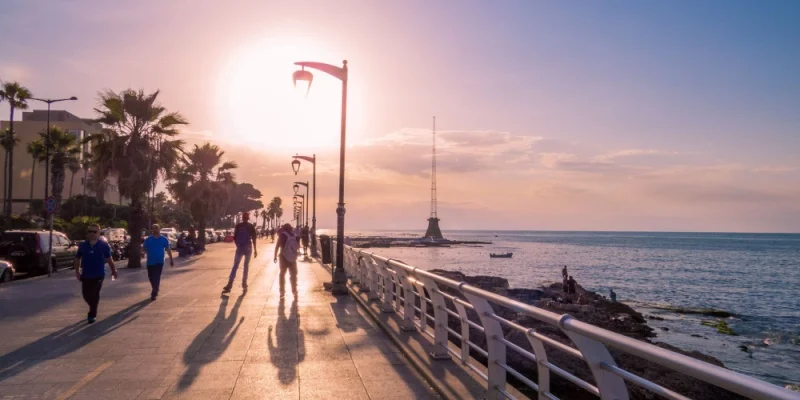
The Beirut Corniche is a seaside promenade stretching along the city’s Mediterranean coastline. Locals and visitors love it for its scenic views, especially at sunset, where the city skyline meets the azure sea. It’s a fantastic place to stroll or rent a bike, admire the Pigeon Rocks, and absorb the lively atmosphere. The Corniche is lined with palm trees and dotted with fishermen, street vendors, and joggers, offering an authentic slice of daily Beirut life.
Best Time to Visit: Sunset (Spring and fall)
Opening Hours: 24 Hours
Beirut Corniche Local Tips
- Visit just before sunset for spectacular city and sea views
- Grab fresh corn or roasted nuts from local vendors
- Early mornings are best for peaceful walks and observing people
- Keep an eye out for spontaneous music or dance street performances
2. Byblos Old Town
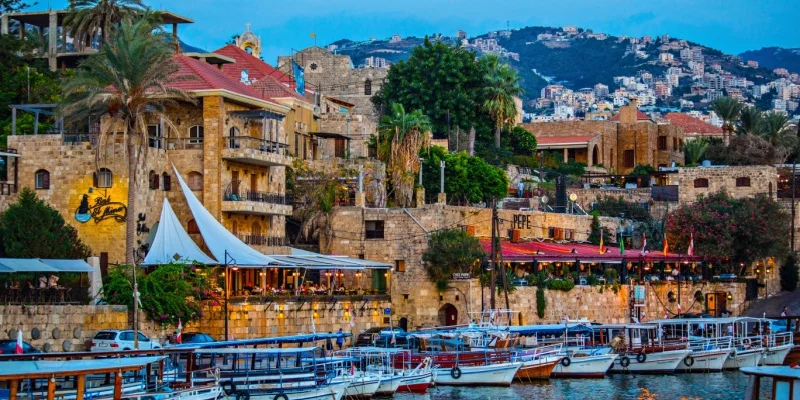
Byblos (Jbeil) is one of the world’s oldest continuously inhabited cities, with a captivating old town that feels like a living museum. Wander through the ancient stone lanes, visit the Phoenician temples, and browse charming shops selling local crafts, traditional clothing, and jewelry. The harbor is especially pretty, and waterfront restaurants serve delicious seafood. History enthusiasts must visit Byblos Castle, dating to the 12th century. Culture seekers can attend the Byblos International Festival and other music events.
Best Time to Visit: Spring and fall weekdays
Opening Hours: 9 AM to 9 PM
How to Make the Most of Your Visit to Byblos Old Town
- Try to catch a summer evening festival or an open-air concert
- Explore the old souks for handmade jewelry—great souvenirs
- Dine at a harbor seafood restaurant for a magical view
- Wear comfortable shoes, as the old stones can be slippery
3. Baalbek Roman Ruins
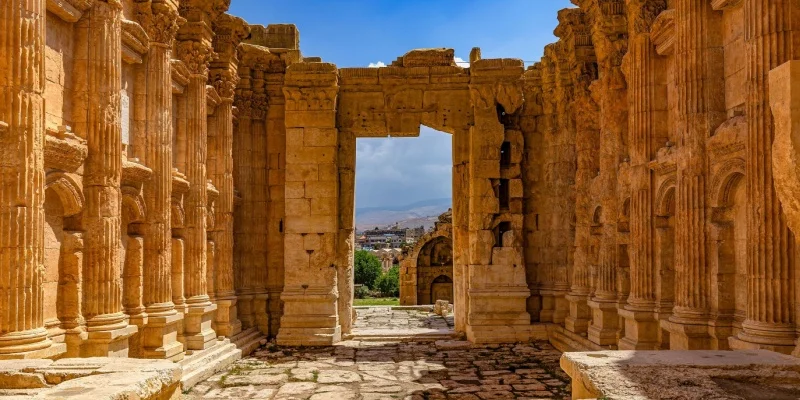
Also known as the ‘City of the Sun’, Baalbek is home to some of the world’s most remarkable Roman ruins outside of Rome. The Temple of Bacchus and the Temple of Jupiter leave visitors mesmerized with their scale and intricacy, standing as a key symbol of Lebanon’s ancient significance. Recognized as a UNESCO World Heritage Site, Baalbek is ideal for anyone passionate about archaeology, architecture, or photography.
Best Time to Visit: Early morning and late afternoon
Opening Hours: 9 AM to 6 PM (Open until 4 PM in winters)
Baalbek Roman Ruins Travel Tips
- Visit on a weekday to avoid crowds and enjoy quieter ruins
- Bring a hat, sunscreen, and water as the valley gets hot by day
- Local guides can share fascinating historical details
- Check festival dates; Baalbek sometimes hosts open-air concerts in summer
4. Jeita Grotto
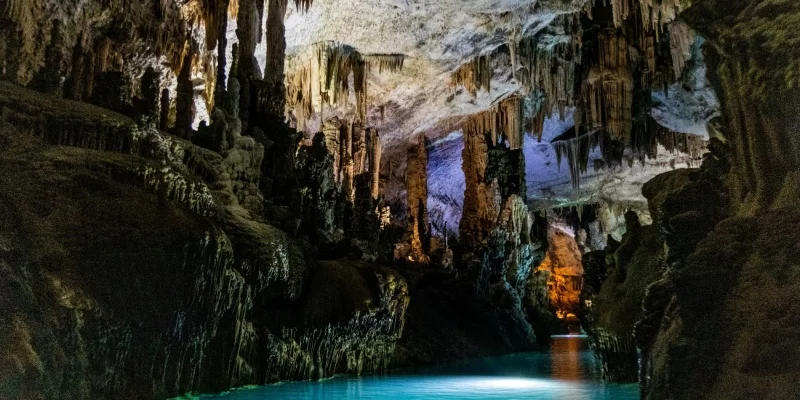
Jeita Grotto is a natural wonder, featuring two interconnected limestone caves just north of Beirut. The caves span over 9 kilometers with an underground river flowing through fantastic stalactites. Enjoy a magical boat ride on crystal-clear waters and walk the trails through impressive chambers. The grotto was even a finalist for the New Seven Wonders of Nature, captivating travelers with its surreal beauty.
Best Time to Visit: Spring and Winters, early mornings on weekdays
Opening Hours: 9 AM to 5 PM
Things to Do in Jeita Grotto
- Dress warmly, as the caves stay cool year-round
- Photography is not allowed inside, so soak up the moment
- Combine your visit with a trip to Harissa for mountain views
- Time your arrival early for smaller tour groups
5. Cedars of God (Al Arz)
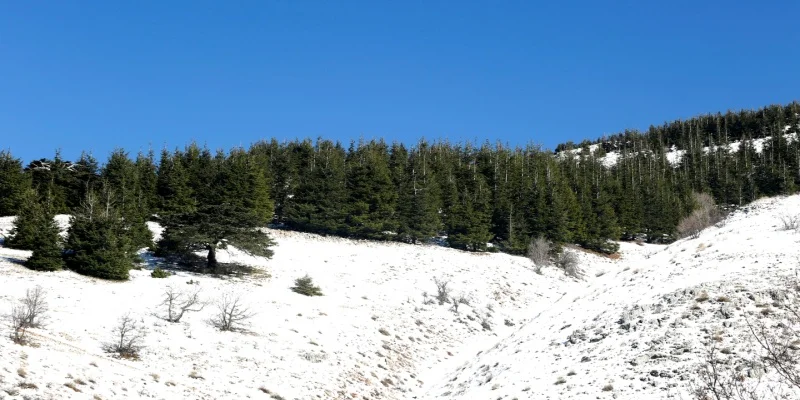
Lebanon’s ancient cedar forests are legendary, and the Cedars of God near Bsharri are among the country’s most cherished treasures. Many of these majestic trees are thousands of years old and symbolically important as national icons. Wander tranquil paths beneath their towering canopies and visit the small onsite museum for historical context.
Best Time to Visit: Spring (April to June)
Opening Hours: 10 AM to 6 PM
Activities to Try in Cedars of God
- Hike one of the scenic trails beyond the core grove
- Visit in winter for a snow-covered fairy tale experience
- Don’t miss the tiny museum to learn cedar lore
- Respect the ancient trees and avoid carving initials
6. Tripoli Souks
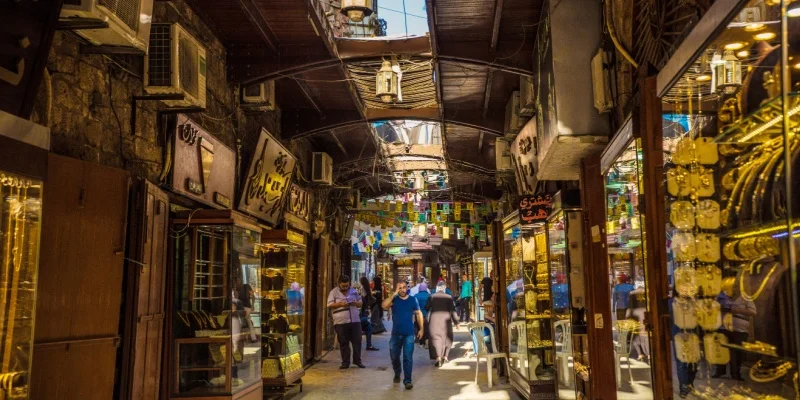
Tripoli, Lebanon’s northern city, is famous for its souks that feel untouched by time. The bustling covered markets are organized into different sections, such as Bazerkan (jewelers), Al-Attareen (spices), Al-Haraj (flea market), and Al-Sayyaghin (goldsmiths). Wander through the narrow alleys leading to grand old mosques, admire the Ottoman architecture, and taste the best Lebanese desserts.
Best Time to Visit: Mornings, spring/autumn
Opening Hours: 9 AM to 6 PM
Tripoli Souks: Insider Tips
- Sample Tripoli’s famous ‘halawet el jibn (sweet cheese pastry)
- Seek out the ancient soap khans for unique gifts
- Dress modestly for a more comfortable local experience
- Explore in the morning for a livelier atmosphere and freshest goods
7. Beiteddine Palace
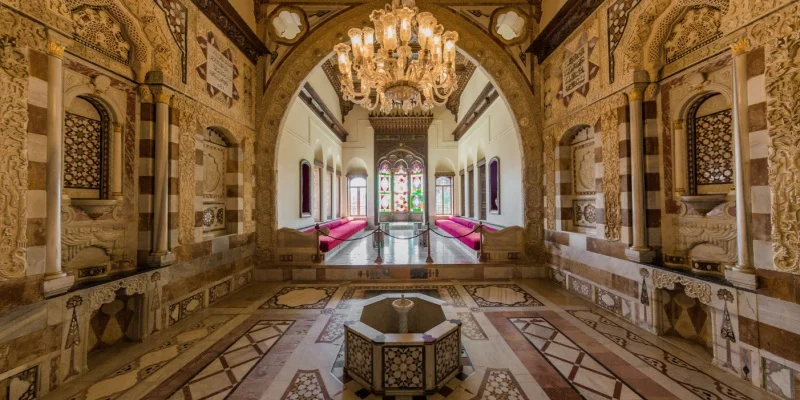
Nestled in the Chouf Mountains, Beiteddine Palace is an architectural jewel from the early 19th century. Its ornate courtyards, marble mosaic floors, and expansive gardens evoke the grandeur of Lebanon’s past. Visiting during the renowned Beiteddine Art Festival, held in summer, offers a magical blend of history and live music under the stars.
Best Time to Visit: Early morning and late afternoon (spring and fall)
Opening Hours: 9 AM to 6 PM (Closed on Monday)
Beiteddine Palace Local Tips
- Attend the summer festival for evening performances in the moonlit courtyards
- Visit the Emir’s private hammam—quiet and beautifully decorated
- Wander the gardens for peaceful mountain views
- Stop by a local Druze village for a cup of herbal tea
8. Sidon Sea Castle
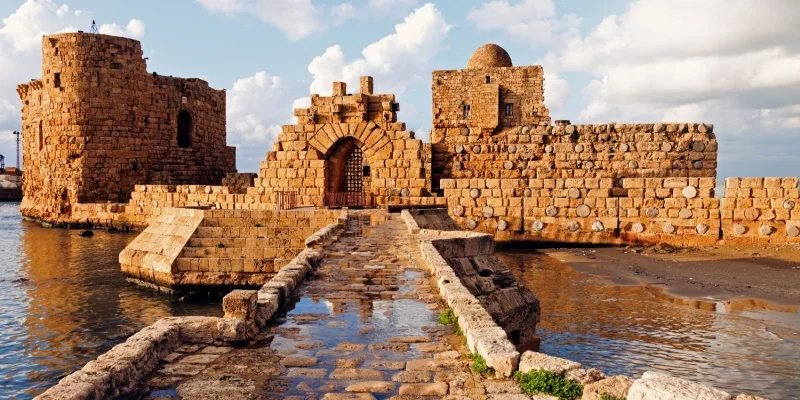
Sidon (Saida) is home to a magnificent Crusader-era Sea Castle perched dramatically over the Mediterranean. Linked to the shore by a narrow causeway, the fortress gives sweeping views of old Saida and the harbor. Explore its chambers, climb the towers, and let your imagination run wild—then stroll the neighboring souks.
Best Time to Visit: Spring and autumn, morning or late afternoon
Opening Hours: 9 AM to 6 PM
How to Make the Most of Your Visit to Sidon Sea Castle
- Join a guided tour to uncover centuries of hidden stories
- Climb to the highest turret for sweeping harbor views
- Visit the Soap Museum nearby for another slice of Sidon’s history
- Enjoy fresh local seafood at the old port area
9. Qadisha Valley
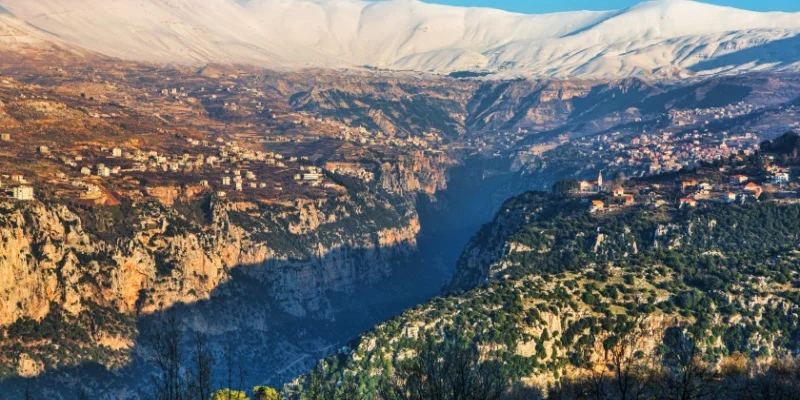
The Qadisha Valley (Holy Valley) is a sanctuary of natural and spiritual beauty. Carved deep into the mountains, it’s home to ancient monasteries, hiking trails, and peaceful villages. The layered cliffs overlook cedar groves and babbling streams, making this a paradise for hikers and anyone seeking serenity.
Best Time to Visit: Spring, early mornings
Opening Hours: 24 Hours
Qadisha Valley Travel Tips
- Start early to beat the midday heat on hiking trails
- Stay overnight in a local guesthouse to feel valley life
- Visit Saint Anthony’s Monastery for spectacular cave-architecture
- Keep your camera ready for waterfalls and wildflowers
10. Raouche Rocks
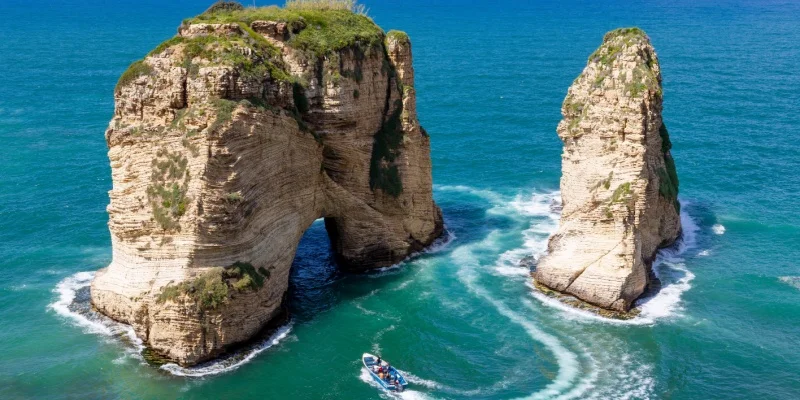
In Beirut’s westernmost point, Raouche Rocks (Pigeon Rocks) rise from the turquoise waters. The two towering sea stacks are a favorite sunset backdrop and a beloved symbol of the city. Take a classic photo, enjoy some quick bites at the waterfront cafés, and immerse yourself in the lively local scene.
Best Time to Visit: Sunset, weekdays
Opening Hours: 24 Hours
Insider Tips for Visiting Raouche Rocks:
- Book a glass-bottom boat tour for close-up views beneath the rocks
- Try fresh fruit juice from vendors along the Corniche
- The seaside cafés offer excellent shisha and people-watching
- Come midweek to skip the local weekend crowds
11. Mzaar Kfardebian

If you’re craving snowy adventures in Lebanon, head to Mzaar Kfardebian. It is Lebanon’s premier ski resort, located just an hour from Beirut. Here, you can indulge in an array of thrilling winter activities, stay in cozy lodges, and soak in the alpine scenery. The region also draws hikers in summers, when the region blooms with vibrant wildflowers and mountain views.
Best Time to Visit: January to March (ski), June to August (hike)
Opening Hours: 8 AM to 3:30 PM (Open until 4 PM on weekends)
Mzaar Kfardebian Activities to Try:
- Hit the slopes early for the best snow in peak ski season (January to March)
- Rent winter gear on site rather than bringing it with yourself
- In summer, try ATV rides or mountain biking
- Enjoy après-ski parties in nearby bars and chalets
12. Nicolas Ibrahim Sursock Museum
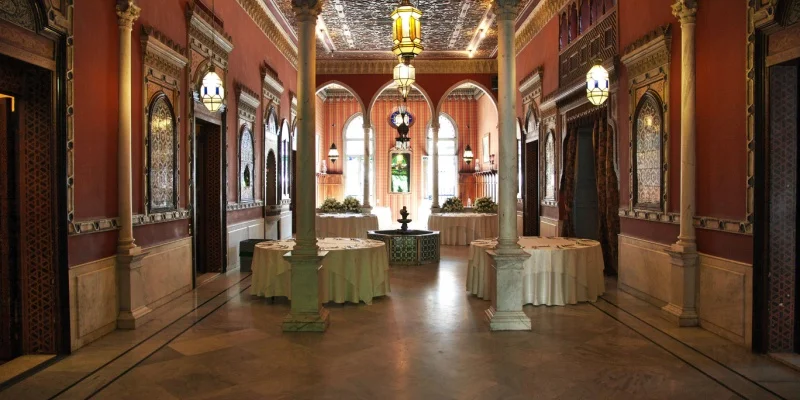
Commonly known as Sursock Museum, Nicolas Ibrahim Sursock Museum is your go-to for Lebanese modern and contemporary art. It is housed in a glorious villa in Beirut’s Achrafieh district, which boasts a neo-Moorish architecture from 1912. The ever-changing exhibitions, lovely gardens, and elegant architecture make it a must for culture fans.
Best Time to Visit: Weekdays, Morning
Opening Hours: 10 AM to 6 PM
Sursock Museum Local Tips
- Entrance is usually free, but donations are welcome
- Check the museum website for current exhibits and events
- Relax in the peaceful garden café after exploring inside
- Visit nearby Sursock Palace for more aristocratic elegance
13. Batroun Old Town

Batroun is a breezy coastal town on the northern coast of Lebanon that enchants visitors with its well-preserved Phoenician seawall, colorful streets, and citrus groves. Once a fishing village, the Old Town offers a great insight into the country’s rich past. Wander through its labyrinth-like streets and shop in its charming souks. Stop by its historic churches like Saint Stephen Cathedral and the Church of Our Lady of the Sea, sip fresh lemonade from a local cafe and explore the thriving beach bar scene.
Best Time to Visit: Summer, sunset
Opening Hours: 24 Hours
Batroun Old Town Insider Tips:
- Check out the surfing and beach bars on warmer days
- Consider staying at the Diaspora Village
- Join a Yoga Class during the trip
- Explore the Old Town on foot to immerse in the local culture
14. Anjar Citadel
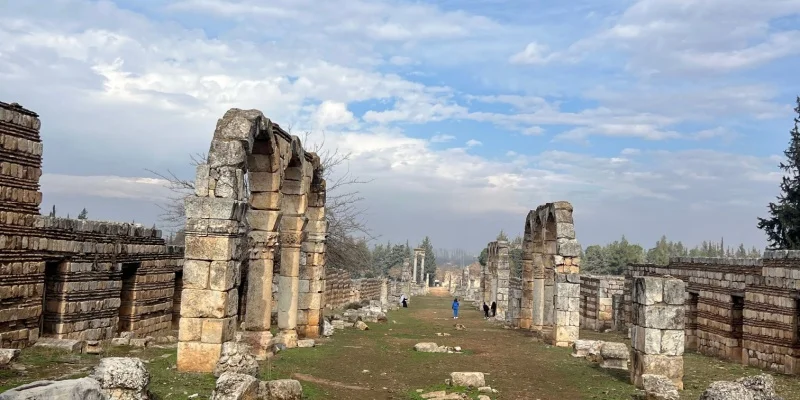
The Umayyad ruins at Anjar transport you back to the 8th century, revealing remnants of ancient palaces, baths, and colonnaded streets. This UNESCO World Heritage Site showcases Islamic-era architecture that’s unique in Lebanon and is surrounded by lush orchards.
Best Time to Visit: Year-round, morning
Opening Hours: 8 AM to 6 PM
Anjar Ruins Travel Tips:
- Visit in spring or autumn for mild weather and blooming orchards
- Pair your visit with a stop in a local Armenian restaurant
- Sunrise visits offer gorgeous golden light for photos
- Read up on Umayyad history for deeper appreciation
15. Tyre (Sour) Al Mina Archaeological Site
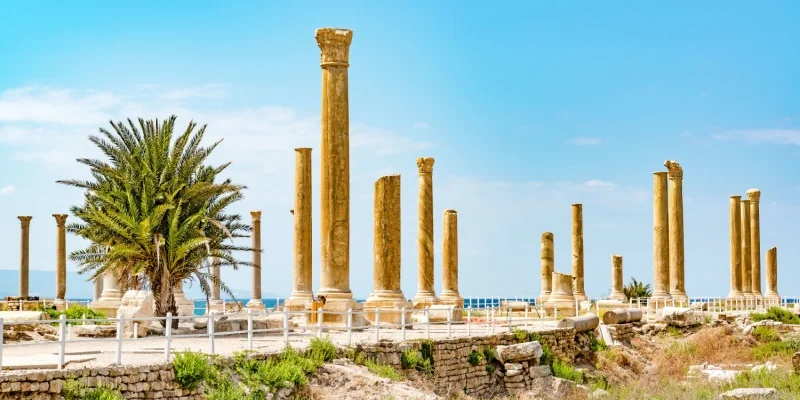
Tyre is renowned for its Roman ruins sprawling along the sea, including massive hippodromes and grand colonnades. The city’s Al Mina archaeological site delivers not just history but beautiful sea views and a sense of timelessness that’s pure Lebanon.
Best Time to Visit: Year-round, early morning
Opening Hours: N/A
Tyre Al Mina Archaeological Site Things to Do
- Arrive early before the midday sun heats the stone
- Walk through the old fishing port nearby to dive into the local culture and lifestyle
- Bring water shoes if you plan to stroll on the beach
- Visit local cafés for southern Lebanese specialties
Quick Travel Guide for Visiting Lebanon
- Visa policy: Most tourists receive a visa on arrival or can apply for an e–Visa (check nationality-specific guidelines)
- Best travel months: March to May (spring) and September to November (autumn) for pleasant weather
- Currency: Lebanese Pound (LBP); US dollars are widely accepted but bring small bills and confirm rates
- Dress code: Modest in rural and religious sites; casual in cities and beach resorts
- Languages spoken: Arabic (official), with widespread French and English
- Transport options: Taxis, private drivers, local buses, and ride-sharing apps (Uber, Bolt) in Beirut and major towns
Lebanon is more than just a destination; it’s an invitation to experience centuries of civilization, stunning scenery, and legendary local hospitality—all tucked into one compact, easy-to-explore country. These places to visit in Lebanon are just the start: from vibrant cities to ancient valleys, there’s something here to thrill every type of traveler. Let your curiosity guide you beyond postcard highlights, try the food, meet local artisans, and discover the soul of Lebanon at your own pace. Adventure awaits around every corner—don’t miss your chance to write your own chapter in Lebanon’s story.
FAQ’s – Places to Visit in Lebanon
Q1. Is Lebanon safe for tourists in 2025?
Lebanon is generally safe for tourists. However, it is recommended to check local news and your government’s travel advisories before arrival. Exercise usual precautions in crowded places and avoid border regions with Syria.
Q2. What is the average cost for visiting Lebanon?
The cost of visiting Lebanon varies, making it suitable for different budgets. Street food and budget hotels are affordable, while boutique stays and fine dining can cost more. Expect to pay slightly higher prices in tourist hot spots, but local areas remain good value.
Q3. Do I need a visa to visit Lebanon?
Many nationalities are eligible for a tourist visa on arrival or an e–Visa to Lebanon. Always verify current visa requirements for your country and ensure the validity of your passport before traveling.
Q4. Is Lebanon family-friendly?
Yes, Lebanon is a family-friendly destination. It is home to many attractions, like Jeita Grotto, Byblos, and Corniche, that are suitable for children. Family-run restaurants, welcoming locals, and beach destinations make it ideal for group trips.
Q5. What are must-try foods in Lebanon?
Mezze, fresh seafood by the coast, and desserts like baklava or knefeh are some of the must-try dishes in Lebanon. Don’t forget to try regional classics like kibbeh, manakish, and the Batroun lemonade for a true local flavor.
Q6. How do I get around in Lebanon?
Major cities in Lebanon are connected by minivan buses, but taxis and ride-sharing apps like Uber are more convenient. Hire a driver or rent a car for exploring mountain areas and valleys.
Q7. What is the best time for sightseeing in Lebanon?
Spring (March to May) and autumn (September to November) are the best time to visit Lebanon. These seasons offer warm, dry weather and blooming landscapes. You can also visit in summer for a scenic coastal escape.
Q8. What are the top places to visit in Lebanon for history lovers?
Baalbek Ruins, Byblos Old Town, Anjar, and Sidon Sea Castle are the most popular places to visit for exploring Lebanon’s rich ancient past.