


Incredible Places to Visit in India That Every Tourist Must See

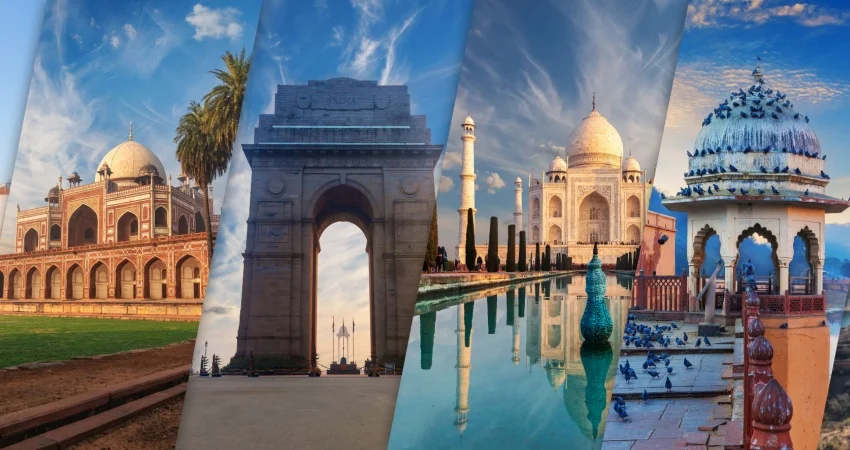
If you’re dreaming of a journey bursting with color, spice, and wonder, India has got to be on your travel radar for 2025. Few places on Earth match India’s dazzling diversity: ancient forts and palaces, lush jungles teeming with wildlife, sun-kissed beaches, and cities where history meets tech in the most exciting ways. Whether it’s the spiritual energy of Varanasi, the modern buzz of Mumbai, or the tranquil backwaters of Kerala, India weaves together centuries of stories and traditions. As a trending destination, India is making travel news for its incredible cultural festivals, major sporting events, and improved infrastructure. No matter what kind of traveler you are, there’s a corner of India ready to surprise you – and probably change you too. Let’s explore the incredible places to visit in India and help you plan your unforgettable 2025 adventure!
Taj Mahal, Agra
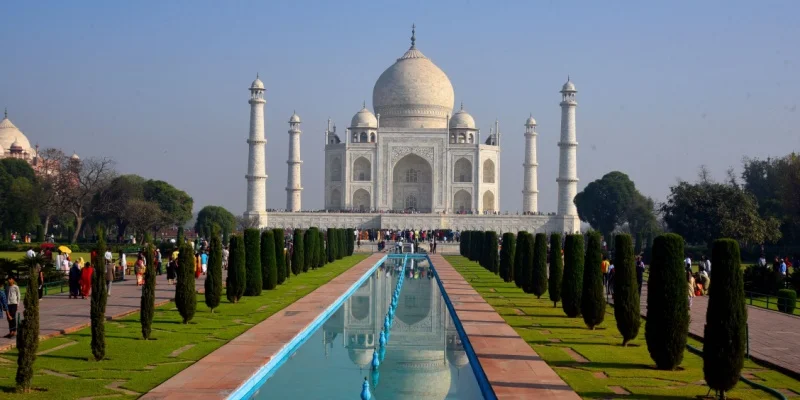
The Taj Mahal in Agra is more than a monument—it’s a symbol of eternal love and a UNESCO World Heritage site. Built by Emperor Shah Jahan in memory of his late wife, this ivory-white marble mausoleum is famed for its intricate artistry and symmetrical beauty. Standing before the Taj at sunrise, you’ll see it bathed in soft golden light—a bucket-list moment for many. Agra also offers other gems like Agra Fort and Itmad-ud-Daula’s Tomb.
Best Time to Visit:
- The best months to visit are October to March, with daytime temperatures from 8°C (46°F) to 25°C (77°F).
How to Make the Most of Your Visit to Agra:
- Arrive at sunrise for stunning crowd-free photos and cooler air.
- Book tickets online to skip long ticket queues.
- Respect the mosque section inside by removing your shoes and dressing modestly.
- Pair your Taj visit with nearby artisan markets for unique marble souvenirs.
Jaipur – The Pink City
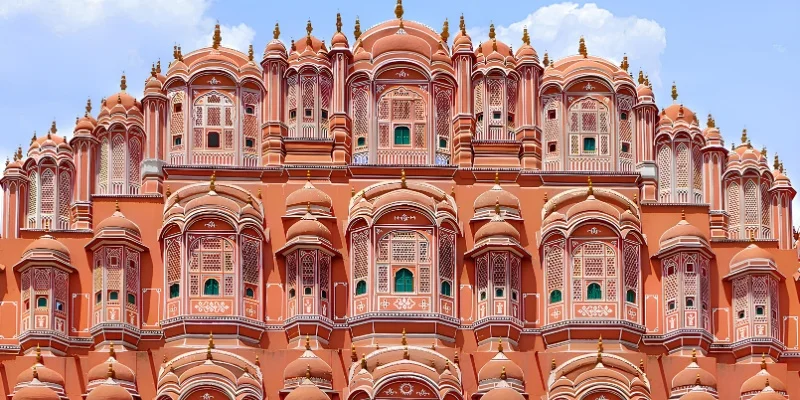
Jaipur, Rajasthan’s capital, dazzles with rose-colored palaces, bustling bazaars, and hilltop forts. Landmark sites like Amber Fort and City Palace bring Rajput history to life, while the Hawa Mahal’s honeycomb windows make for unforgettable selfies. Jaipur’s streets are lined with bazaars selling everything from gemstones to block-printed textiles. Festivals like Jaipur Literature Festival in January draw global crowds.
Best Time to Visit:
- Expect pleasant days from November to February, while summer can see highs over 40°C (104°F).
Jaipur Jems: Local Tips for a Magical Experience
- Try a rooftop dinner overlooking Amber Fort at sunset.
- Visit the Johari Bazaar for traditional jewelry and vibrant saris.
- Dress modestly when entering temples and palaces.
- For a quieter experience, explore the Jantar Mantar astronomical observatory early in the morning.
Varanasi – The Eternal City
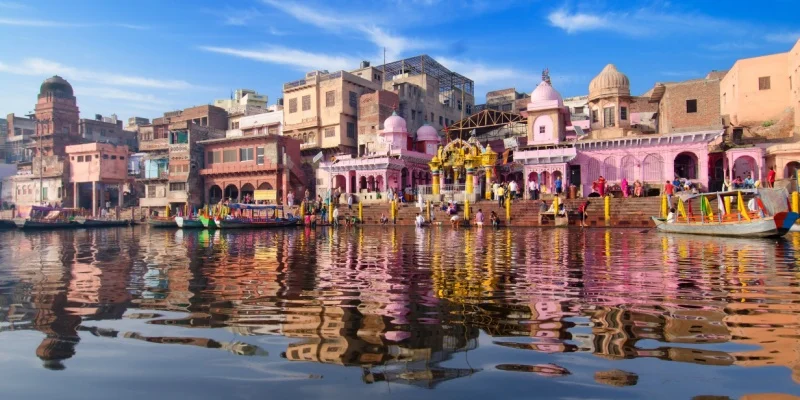
Varanasi is one of the world’s oldest living cities and India’s spiritual heart. Perched on the banks of the sacred Ganges River, its maze of narrow alleys leads to ancient temples, bustling markets, and countless ghats (steps leading to the river). Witness the mesmerizing Ganga Aarti ceremony at Dashashwamedh Ghat at sunset—a memory that will stay with you forever.
Best Time to Visit:
- The finest weather graces Varanasi from November to March, with temps between 12°C (54°F) and 28°C (82°F).
Banaras Travel Tips:
- Respect local customs by dressing modestly, especially along the ghats.
- Taste acclaimed Varanasi street foods like kachori-sabzi and lassi.
- Hire a local boatman for sunrise boat rides—the river is calm and magical.
- Cameras are not allowed during some rituals; always ask before photographing people.
Goa – India’s Sunshine State
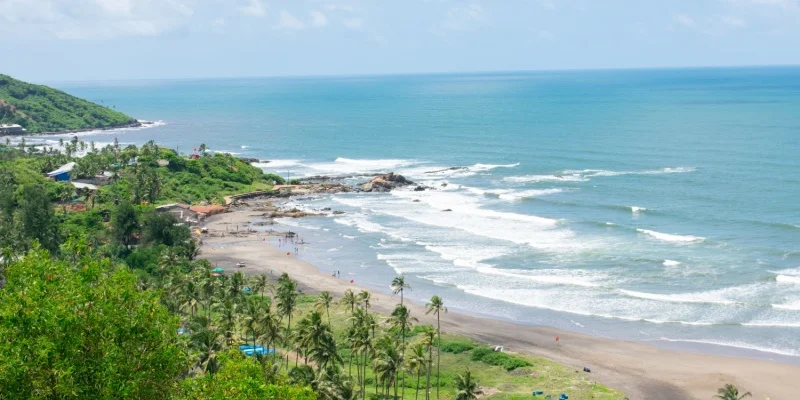
Iconic palm-fringed beaches, vibrant nightlife, and laid-back culture make Goa a perennial favorite. Beyond its famous sands, discover charming colonial architecture in Old Goa, hidden waterfall hikes, and village markets with delicious Goan cuisine.
Best Time to Visit:
- Christmastime and New Year are especially lively, but November to February offers balmy, dry days (average 22°C/72°F to 32°C/90°F). Monsoons (June to September) bring lush scenery but heavy downpours.
Goa Insider Hacks: Beach Bliss and Beyond
- Rent a scooter to explore secluded beaches like Agonda and Cola.
- Sample authentic Goan vindaloo and bebinca at local shacks, not tourist traps.
- Attend a traditional sunset flea market in Anjuna for quirky souvenirs.
- Always carry sunscreen—Goan sun is strong even in winter!
Kerala Backwaters
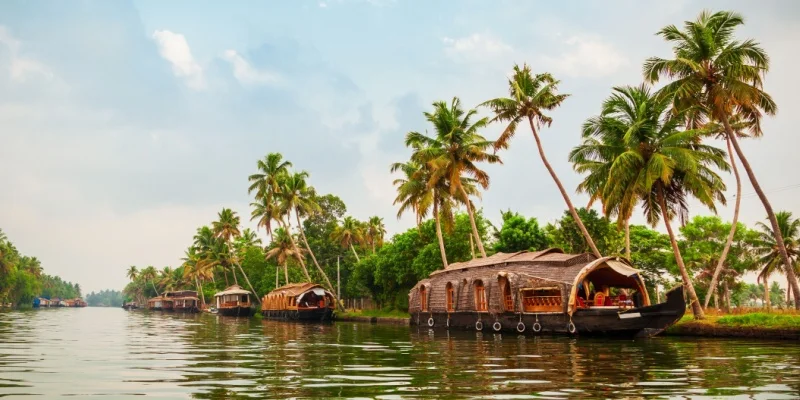
Kerala’s backwaters are a tranquil network of emerald-green lagoons, palm islands, and sleepy villages. Cruise aboard a traditional houseboat (kettuvallam) and watch local life unfold along the water—fishermen hauling nets, kids waving from riverbanks, and spice-scented breezes. Don’t miss cities like Alleppey and Kumarakom, both houseboat launch points.
Best Time to Visit:
- The ideal months are November to February, with gentle temperatures averaging 18°C (64°F) to 32°C (90°F).
Backwater Wisdom: Cruising Like a Local
- Book an overnight houseboat in advance during peak months.
- Try fresh Kerala-style seafood prepared onboard—let your chef know your spice preference.
- Visit a toddy shop for a taste of local palm wine.
- Pack mosquito repellent for evenings by the water.
Ladakh – The Land of High Passes
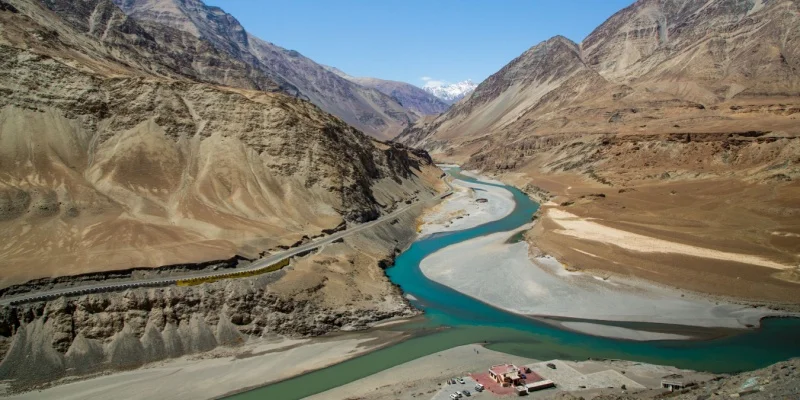
Ladakh is a starkly beautiful Himalayan realm where crystal-clear lakes reflect snow-capped peaks and Buddhist monasteries cling to cliff sides. Famous spots include Pangong Lake (blue for miles), Nubra Valley’s sand dunes, and the mystical Magnetic Hill.
Best Time to Visit:
- Summer (June to September) is the only accessible season, with temperatures from 5°C (41°F) to 25°C (77°F).
High-Altitude Know-How: Ladakh Explorer Tips
- Acclimatize in Leh for 1–2 days to avoid altitude sickness.
- Layers, wool hats, and sunscreen are essential—even summer sun is intense at altitude.
- Carry cash—ATMs are limited outside Leh.
- Visit Thiksey Monastery at sunrise for meditation and panoramic views.
Hampi – Ruins and Rocks
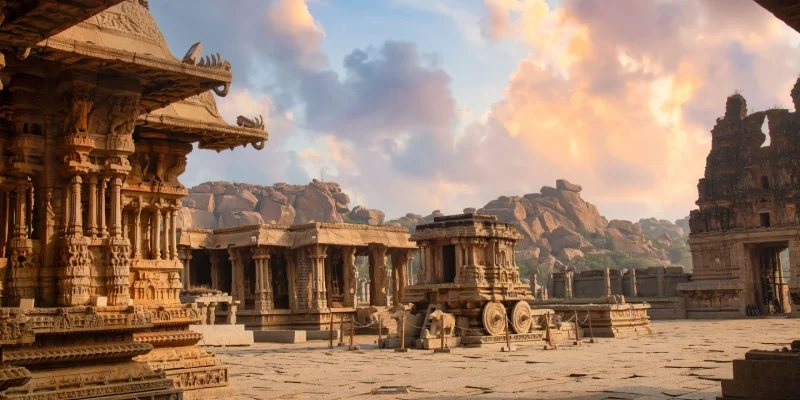
UNESCO-listed Hampi in Karnataka was once the heart of the mighty Vijayanagar Empire. Today, its surreal boulder-strewn landscape is dotted with ancient temples and sprawling ruins—Hemakuta Hill at sunrise is unforgettable. Explore by foot, bike, or even coracle boats.
Best Time to Visit:
- November to February, with daytime temperatures from 12°C (54°F) to 30°C (86°F).
Hampi Highlights: Making Your Ruin Hunt Unique
- Rent a bicycle for easy, scenic exploration of temple complexes.
- Local fruit stalls near Virupaksha Temple have fresh coconuts—refresh on the go.
- Cross the river by traditional coracle for rural village life and fewer tourists.
- Carry a refillable water bottle; plastic use is discouraged.
Darjeeling – Queen of the Hills
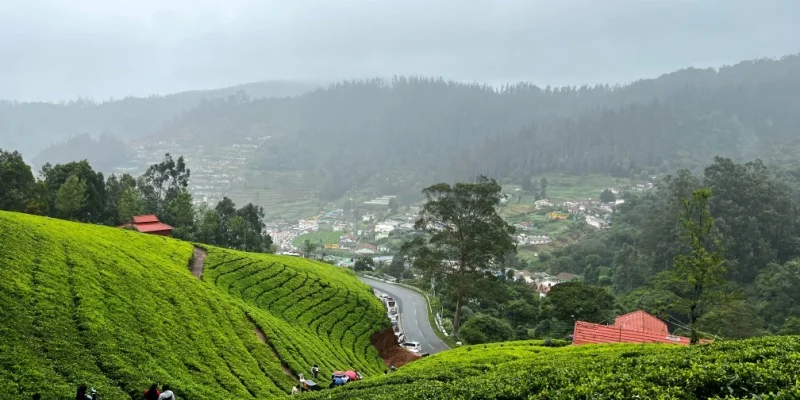
Darjeeling’s rolling tea gardens, misty Himalayan views, and British-era charm offer a peaceful hill escape in West Bengal. Sip fragrant tea at vintage plantations, ride the historic toy train, or watch sunrise paint Kanchenjunga’s snowy summit.
Best Time to Visit:
- March to May and October to November, with pleasant days from 10°C (50°F) to 20°C (68°F). Monsoons (June–September) bring heavy rains but dreamy scenery.
Darjeeling Delights: Local Sips & Scenic Spots
- Try delicious momos (dumplings) at small Tibetan eateries.
- Splurge on the scenic Darjeeling Himalayan Railway ride.
- Visit Happy Valley Tea Estate for an inside look at tea-making.
- Bring a light jacket—weather changes quickly and evenings can get chilly.
Quick Travel Guide for Visiting India
Visa Policy:
India now offers convenient eVisa options for many nationalities. Apply online before arrival — most tourist visas are valid for 30–90 days.
Best Travel Months:
October to April is ideal for most regions; the summer months can be extremely hot, especially in the north and central areas.
Currency & Exchange:
The Indian Rupee (INR) is the national currency. Exchange small amounts at airports for convenience, but use authorized exchange counters or ATMs in cities for better rates. Credit cards are accepted in most urban and tourist areas.
Dress Code:
Modest clothing is recommended, especially when visiting temples, mosques, or rural regions. Casual, comfortable clothes work well in most cities and tourist spots. Carry a scarf or shawl for covering shoulders or head when needed.
Languages Spoken:
Hindi and English are widely spoken, especially in tourist areas. Regional languages abound—don’t hesitate to learn a few local greetings!
Transport Options:
India has excellent transport: metros in big cities, affordable Uber/Ola taxis, rickshaws, trains, and long-distance sleeper buses. Download local ride apps and consider overnight trains for unique journeys.
Final Thoughts
There’s no single way to capture all that makes India remarkable: it’s a melting pot of landscapes, languages, and faiths, where every trip feels a little like magic. The incredible places to visit in India in 2025 provide something for solo travelers, families, and adventurers alike. From ancient cities to modern marvels, serene backwaters to bustling bazaars, every region promises a new story and a breathtaking view. Don’t just follow the usual guidebook highlights—venture deeper, eat with the locals, and get swept up in a festival or two. India is a destination that will stay in your heart long after your journey ends—go explore it this year!
FAQ’s – Places to Visit in India
Q1. Is India an expensive travel destination?
India can fit nearly any budget-everything from luxury hotels to backpacker hostels is available. Expect to spend $25-50 USD per day on a mid-range budget including meals, transport, and entry fees.
Q2. Is it safe to travel in India for solo travelers and families?
Most parts of India are safe for travelers, with some basic precautions. Stick to well-lit areas at night, use reputable transportation, and always keep an eye on your belongings.
Q3. Can I easily find vegetarian or vegan food in India?
Absolutely! India is a vegetarian paradise, with countless vegan and vegetarian options. Inquire at local restaurants about dairy in dishes, as butter and yogurt are common.
Q4. What’s the best way to get between cities?
India’s trains are iconic and comprehensive. Booking in advance is a must for popular routes. Flights are quickest for longer distances, and state buses connect even remote villages.
Q5. Should I tip in India?
Tipping is customary; rounding up bills or leaving 5-10% for good service is appreciated in restaurants and hotels.
Q6. Do I need vaccinations before my trip?
Recommended vaccinations include Hepatitis A, Typhoid, and Tetanus. Check the latest travel health advice for your country before flying.
Q7. Is the weather too hot in Indian summers?
Indian summers, from May to September, can get extremely hot—often over 40°C (104°F) in central and northern regions. High-altitude and coastal destinations remain cooler.
Q8. Are credit cards widely accepted?
Major urban areas and tourist zones accept credit/debit cards. However, cash is necessary in small towns, markets, and for local transport.