



Places to Visit in Salalah: The Ultimate Guide to Oman’s Green Jewel


If you think of Oman as an endless expanse of sunbaked desert, Salalah will surprise you at every turn. Tucked in the country’s southern Dhofar province, this vibrant city becomes a lush oasis each summer, thanks to the unique Khareef monsoon season that transforms the landscape into rolling green hills and cascading waterfalls. Salalah is fast becoming a trending destination for adventurous travelers and culture-seekers alike-drawn in by its mystical frankincense heritage, unspoiled beaches, and dramatic mountain vistas. Dotted with ancient ruins, palm-fringed coastlines, and bustling souks, Salalah offers a backdrop unlike anywhere else in the Arabian Peninsula. Here’s your inspired guide to the best places to visit in Salalah, Oman—along with smart local tips for an unforgettable journey.
1. Al Mughsail Beach
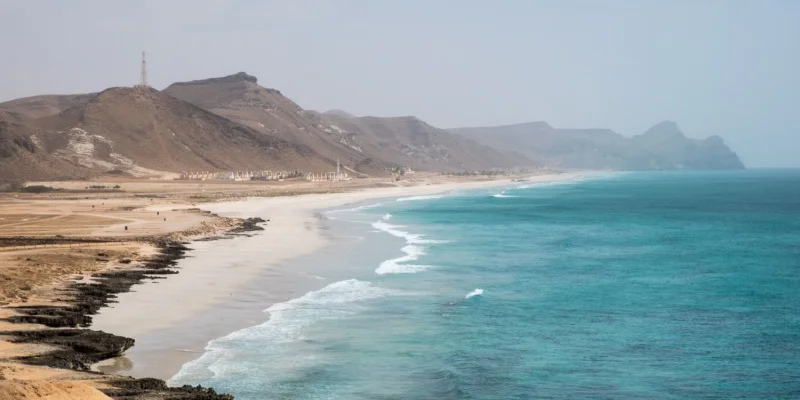
With its turquoise waters and silky-white sands framed by rugged cliffs, Al Mughsail Beach is the most famous stretch of coast in Salalah. The sea breeze, dramatic blowholes (known as “marneef”), and almost Caribbean setting make it a must for beach lovers. It’s the perfect escape for picnics, sunset strolls and dolphin spotting. The scenery is especially stunning during Khareef (June to September), when lush greenery blankets the region and temperatures are refreshingly cool.
Best Time to Visit:
- October to April boasts pleasantly mild weather, perfect for outdoor activities.
How to Make the Most of Your Visit to Al Mughsail Beach:
- Arrive before sunset for fewer crowds and magical light for photos.
- The Marneef Cave nearby is worth a short hike—carry comfy shoes.
- Stop by local food trucks for fresh coconut water and snacks.
- Avoid swimming during strong tides; consult locals about safe spots.
2. Wadi Darbat
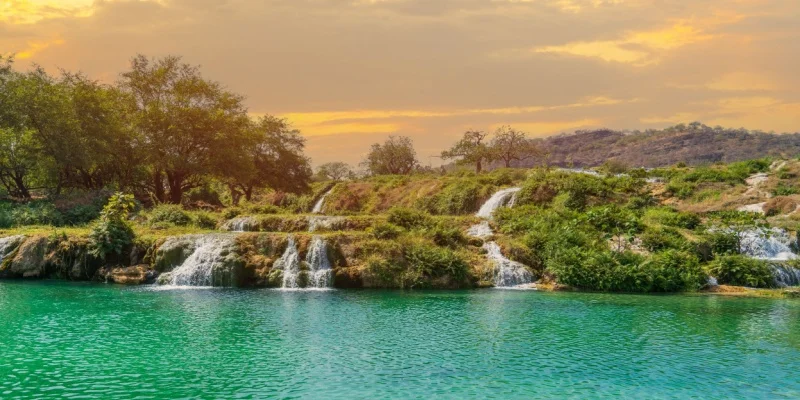
No trip to Salalah is complete without wandering Wadi Darbat—a breathtaking valley that comes alive with pounding waterfalls, turquoise pools, and thick foliage during Khareef. Often compared to tropical destinations, this wadi is ideal for boat rides, picnics, and gentle hikes. Adventurers will love kayaking between the hills, while photographers won’t want to miss the misty, magical scenes.
Best Time to Visit:
- October to April boasts pleasantly mild weather, perfect for outdoor activities.
Wadi Darbat Local Tips:
- Head early in the morning to capture mist rising over the valley.
- Vendors rent boats; try a short paddle in the calm pools.
- Bring bug spray—mosquitoes can be plentiful after rain.
- Don’t climb wet rocks near waterfalls; they can be slippery.
3. Frankincense Land Museum
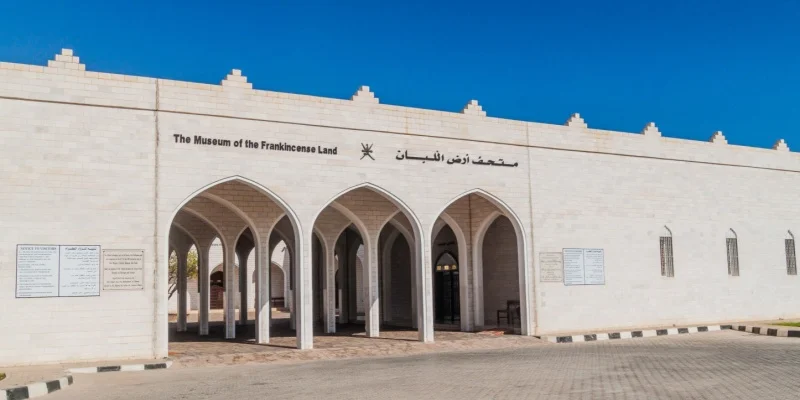
Located at Al Baleed Archaeological Park, this engaging museum uncovers Salalah’s global role in the ancient frankincense trade. Wander through atmospheric ruins outside, then step inside to view artifacts, maps, and dioramas – a fascinating window into Omani history and commerce. It’s a must for culture lovers and families alike.
Best Time to Visit:
- October to April boasts pleasantly mild weather, perfect for outdoor activities.
Insider Tips for Visiting the Frankincense Land Museum:
- Join a guided tour for richer storytelling and historical insights.
- Visit nearby Al Baleed ruins at dusk when the crowds thin out.
- Check the museum shop for locally-sourced frankincense souvenirs.
- Plan half a day for both the museum and archaeological park.
4. Sultan Qaboos Mosque
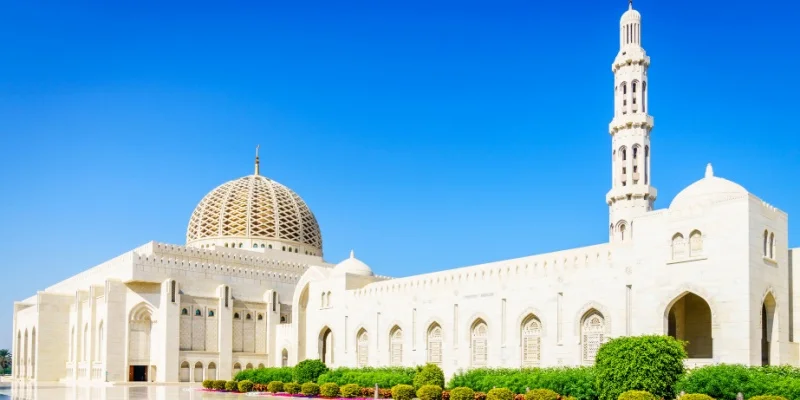
Salalah’s grand Sultan Qaboos Mosque is an architectural marvel, glowing with white marble and intricate Islamic patterns. The vast prayer hall, ornate domes, and peaceful courtyards make it an inspiring stop, even for non-Muslim visitors. It’s centrally located and open to respectful tourists outside prayer hours.
Best Time to Visit:
- October to April boasts pleasantly mild weather, perfect for outdoor activities.
How to Make the Most of Your Visit to Sultan Qaboos Mosque:
- Non-Muslims can visit most mornings—dress conservatively with shoulders and knees covered.
- Scarves and prayer garments are usually provided for female visitors.
- Photography is allowed outside, but ask staff before taking pictures indoors.
- Arrive early to enjoy the tranquil gardens in cooler temperatures.
5. Al Haffa Souq
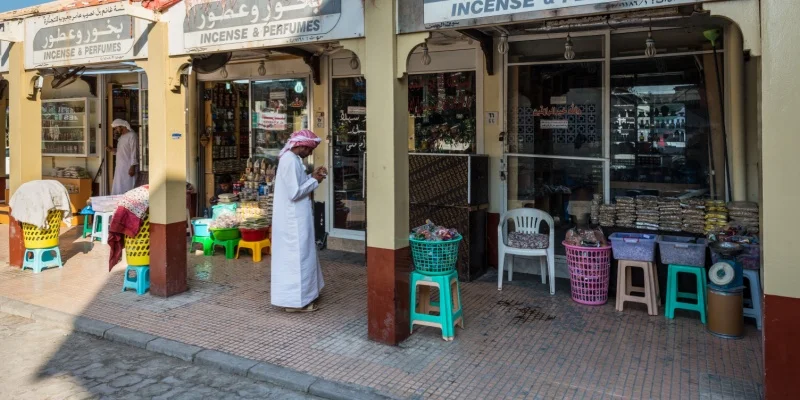
Step into Salalah’s historic marketplace, Al Haffa Souq, and you’ll be greeted by the intoxicating scent of frankincense, fresh spices and incense. Rows of shops overflow with textiles, silver jewelry, Omani daggers (khanjar), and crafts. It’s the beating heart of Salalah’s culture, ideal for picking up authentic gifts and mingling with friendly locals.
Best Time to Visit:
- October to April boasts pleasantly mild weather, perfect for outdoor activities.
Al Haffa Souq Local Shopping Hacks
- Bargain with a smile—most shopkeepers expect some friendly haggling.
- Try frankincense resin samples before choosing your favorite variety.
- Explore side alleys for hidden handicraft stalls overlooked by most tourists.
- Visit in the late afternoon when the souq is liveliest.
6. Taqah Castle
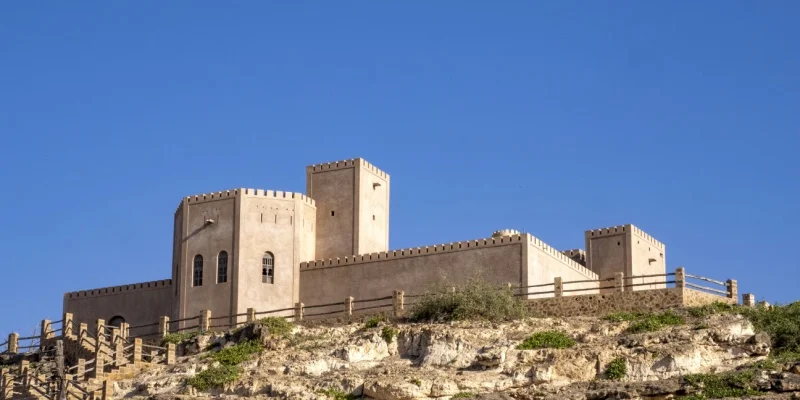
This beautifully restored fortress, once the home of a prominent sheikh, offers a glimpse into Dhofari history and local life. Explore old living quarters, watchtowers, and traditional exhibits showcasing Omani weaponry and household artifacts. The panoramic views from its rooftops are simply stunning.
Best Time to Visit:
- October to April boasts pleasantly mild weather, perfect for outdoor activities.
How to Explore Taqah Castle Like a Local
- Don’t miss the rooftop terrace—perfect for sweeping coastline photos.
- Check museum hours; some areas may close midday for prayers.
- Wander the nearby Taqah village for a taste of local street food and coffee.
- Weekdays are quieter if you prefer a relaxed visit.
7. Ayn Razat Springs
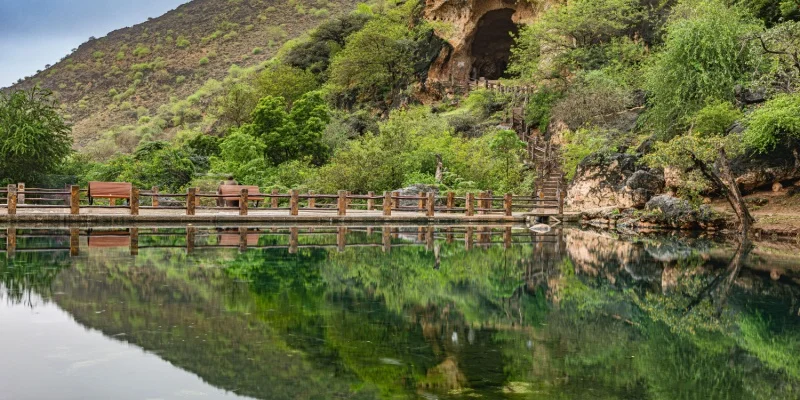
Hidden at the foot of the Dhofar Mountains, Ayn Razat is a serene spot where freshwater springs emerge in lush, landscaped gardens. It’s a popular picnic area with walking trails, shaded pavilions, and vibrant flowers during Khareef. An oasis for relaxation, especially after busy sightseeing.
Best Time to Visit:
- October to April boasts pleasantly mild weather, perfect for outdoor activities.
Travel Tips to Ayn Razat Springs:
- Hire a local guide for trail insights and plant identification.
- Bring water shoes if you want to wade in shallow pools.
- Arrive on weekdays to avoid local weekend crowds.
- Watch for butterflies and birds—early morning is best for spotting wildlife.
8. Sumhuram Archaeological Park
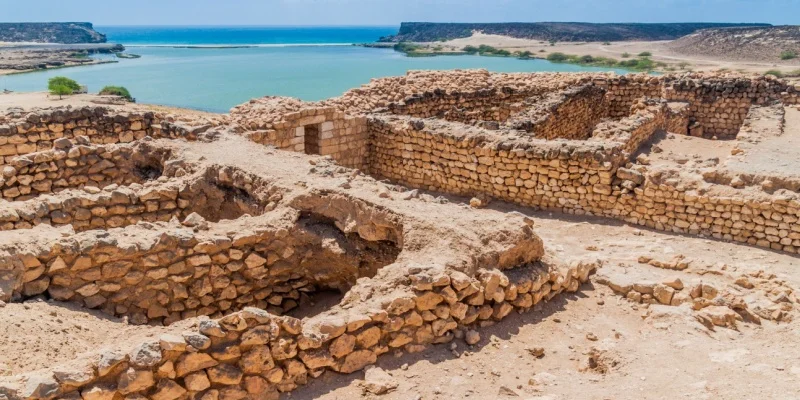
Step back in time at Sumhuram, the evocative ruins of an ancient port city linked to the frankincense trade. Perched on a hill overlooking khors (lagoons), Sumhuram reveals city walls, temples, and artifacts dating back over 2,000 years. It’s an atmospheric place to let your imagination wander.
Best Time to Visit:
- October to April boasts pleasantly mild weather, perfect for outdoor activities.
Sumhuram Archaeological Park Adventure Tips:
- Early morning visits mean cooler temperatures and softer light.
- Take binoculars for birdwatching at the nearby lagoon.
- Pause at the visitor center for interactive exhibits and local stories.
- Wear sturdy shoes for uneven paths and ruins exploration.
Quick Travel Guide for Visiting Salalah
Visa Policy:
– Most nationalities can apply for an eVisa online; check Oman’s official website for requirements.
Best Travel Months:
– June to September (Khareef) for greenery; October to April for mild, sunny weather.
Currency:
– Omani Rial (OMR). ATMs are widely available and most hotels accept cards, but carry some cash for markets.
Dress Code:
– Modest clothing is advised; lightweight pants and sleeved tops work well. Swimwear is fine at the beach but cover up elsewhere.
Languages:
– Arabic is official, but English is commonly spoken in tourist areas.
Transport Options:
– Taxis and local car rentals are the main transport; “Marhaba” and “Otaxi” apps offer ride-hailing. Limited public buses run to major sites.
With these insights and tips, you’re ready to discover the best places to visit in Salalah and enjoy a warm Omani welcome. Safe travels!
Conclusion
From spellbinding wadis to ancient ruins and colorful souks, Salalah promises an Arabian adventure that’s unlike anywhere else. With its mix of natural wonders and deep-rooted culture, this destination is perfect for solo explorers, families, and culture seekers alike. Whether you’re hiking under waterfalls, sipping frankincense-infused tea, or simply watching the sun dip beneath the palms, Salalah’s magic will stay with you long after your trip. So why not go beyond the typical guidebooks? There’s a world of hidden gems waiting in southern Oman.
FAQ’s – Places to Visit in Salalah
Q1. How much does it cost to visit Salalah?
Costs vary based on travel style, but mid-range visitors should budget around OMR 30–50 (USD 80–130) daily for accommodation, meals and transport. Peak Khareef season can see higher hotel prices.
Q2. Is Salalah safe for solo or family travelers?
Yes, Salalah is considered very safe, with low crime rates and a welcoming atmosphere. Families and solo travelers report friendly locals and comfortable surroundings.
Q3. What kind of food can I find in Salalah?
Expect fresh seafood, fragrant rice dishes and tropical fruits. Don’t miss local specialties like Shuwa (slow-cooked lamb), and try coconut drinks on the beach.
Q4. Can I swim at Salalah beaches year-round?
Swimming is generally safe from October to April. During Khareef, strong currents and rougher waters mean some beaches are best enjoyed from the shore – always ask locals if unsure.
Q5. What are the must-pack essentials for Salalah?
Bring modest clothing, sun protection, sturdy shoes, a reusable water bottle, and insect repellent-especially for Wadi visits.
Q6. Do I need a car to get around Salalah?
Renting a car offers the most flexibility for reaching wadis and beaches, but taxis and ride-hailing apps are available for major sites.
Q7. What’s the weather like during Khareef?
Khareef (June–September) is cool with frequent mist and rain, transforming Salalah into a lush, green paradise.
Q8. Are there cultural customs visitors should know?
Yes, be polite, avoid public displays of affection, and dress conservatively in public spaces. Fridays are holy days; many businesses open later.