




Best 8 Places to Visit in Germany: Where History Meets Modern Magic

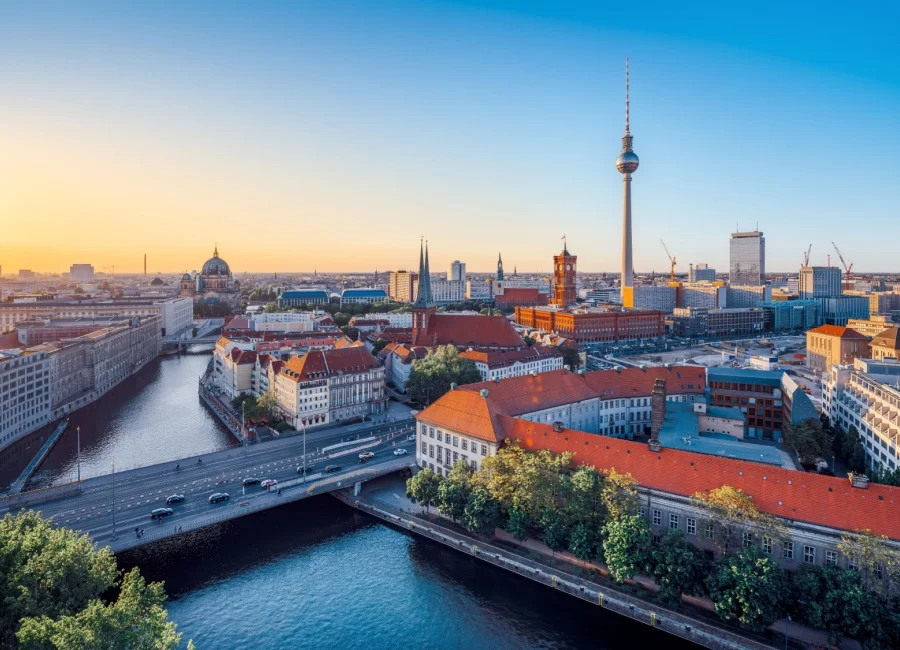
The magic of Germany is undeniable. It is a country with fairytale castles, lively lush gardens and an example of modern architecture. From modern buildings to charming villages, all of it attracts tourists around the world. This country invites history lovers and people in search of luxury, outdoor adventures and delectable food. In recent years, it’s become a trending travel destination, because of its seamless blend of old-world charm and modern vibrancy. Visitors are drawn here by iconic landmarks, creative culinary scenes, and the welcoming spirit of its cities and countryside. From the boulevard streets of Heidelberg to the pulsating nightlife of Berlin, Germany offers unforgettable experiences at every turn. If you’re planning your first visit, this guide to the top places to visit in Germany will inspire an itinerary full of discovery and delight. So what are you waiting for? Start planning your trip now.
Top 8 Tourist Attractions to Explore in Germany
1. Berlin’s Brandenburg Gate
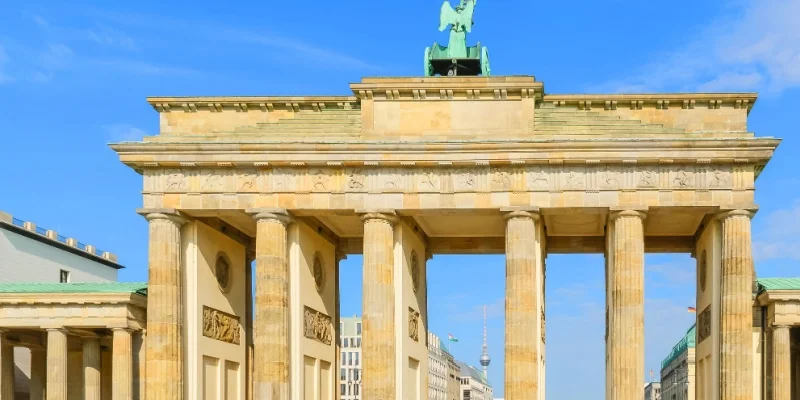
The Brandenburg Gate stands as the heart of Berlin’s history. The majestic neoclassical monument that once divided the city during the Cold War and now symbolizes unity and peace. It’s the perfect place to start your Germany trip. It is surrounded by embassies, vibrant plazas, and the famous Unter den Linden boulevard lined with lime trees. The Gate is especially mesmerizing when illuminated at night or during national celebrations.Average temperatures in Berlin from May to September range from 15°C to 24°C (59°F–75°F), making late spring and early fall ideal for sightseeing.
Best Time to Visit:
- October to April boasts pleasantly mild weather, perfect for outdoor activities.
- Summer months (May to September) can be excessively hot, with temperatures often exceeding 40°C (104°F).
Berlin Travel Tips
- Visit in the evening to see the Gate beautifully lit and with less crowd.
- Explore the interactive exhibits at the nearby Berlin Wall Memorial for deeper context.
- Enjoy the authentic street food of Berlin.
2. Neuschwanstein Castle, Bavaria
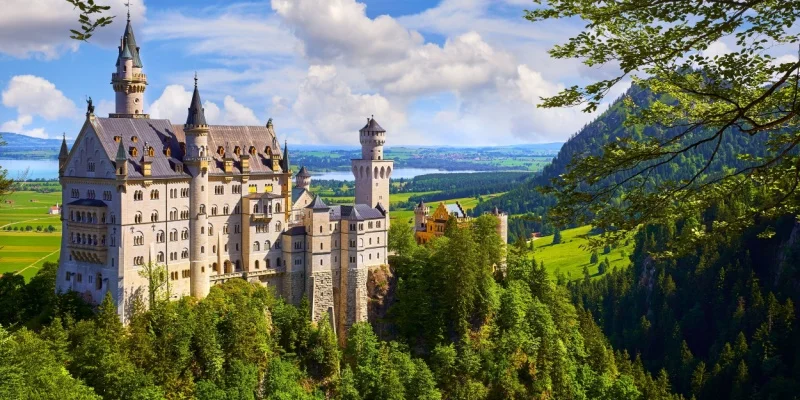
Straight out of a storybook, Neuschwanstein Castle is perched on a rugged hill amidst Alpine forests in Bavaria. Commissioned by King Ludwig II, this 19th-century palace inspired Disney’s Cinderella Castle and is famous for its whimsical turrets and breathtaking mountain views. The castle looks magnificent during autumn when golden foliage surrounds it, and in winter, when snow blankets the landscape.
Average temperatures from September to October hover between 10°C and 18°C (50°F–64°F).
Best Time to Visit:
- October to April boasts pleasantly mild weather, perfect for outdoor activities.
- Summer months (May to September) can be excessively hot, with temperatures often exceeding 40°C (104°F).
How to Make the Most of Your Visit to Neuschwanstein Castle
- Book tickets online well in advance to avoid long queues.
- Hike up to Marienbrücke Bridge for enchanting picture perfect photos.
- Explore Füssen, the nearby medieval town, for local Bavarian cuisine and crafts.
- Try visiting early in the morning for a peaceful and pleasant walk
3. Cologne Cathedral

A UNESCO World Heritage Site, Cologne Cathedral (Kölner Dom) is an awe-inspiring building. Its towering Gothic spires dominate the city skyline. Construction began in 1248 and was fully completed over six centuries later. The intricate stained glass windows, grand organ, and panoramic views from the tower are major highlights. Visit during spring or early summer (April–June) for pleasant weather, with average highs of 16°C–22°C (60°F–72°F).
Best Time to Visit:
- October to April boasts pleasantly mild weather, perfect for outdoor activities.
- Summer months (May to September) can be excessively hot, with temperatures often exceeding 40°C (104°F).
Cologne Travel Tips
- Climb the 533 steps to the observation platform for the best view.
- Pop into one of the local Kölsch beer halls for an authentic taste of Cologne.
- Don’t miss the colorful Roman-Germanic Museum nearby for hidden treasures.
4. The Romantic Road
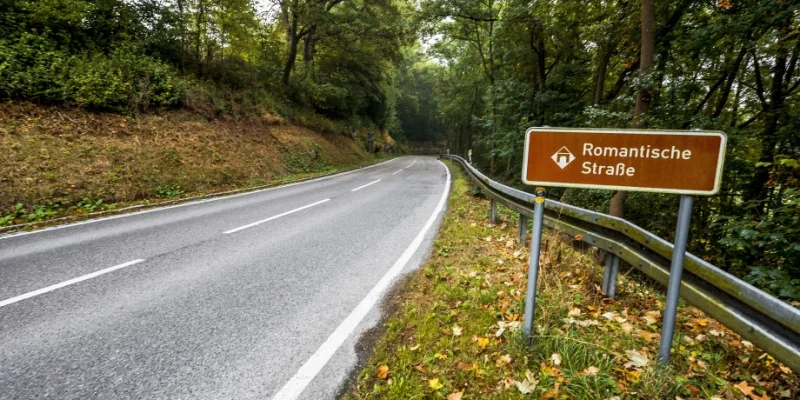
The Romantic Road is a scenic route winding through medieval towns, rolling vineyards, and enchanting castles from Würzburg to Füssen. It’s the ideal way to experience the quintessential charm of southern Germany. Along the way, must visit cobblestone streets, stop at half-timbered houses, and photograph flower-filled squares.
Late spring (May) and early autumn (September) offer mild, comfortable temperatures around 15°C–20°C (59°F–68°F).
Best Time to Visit:
- October to April boasts pleasantly mild weather, perfect for outdoor activities.
- Summer months (May to September) can be excessively hot, with temperatures often exceeding 40°C (104°F).
Travel Tips to Explore the Romantic Road
- Rent a bike or car to explore smaller villages like Rothenburg ob der Tauber at your own pace.
- Try regional specialties such as Schneeballen pastries in roadside bakeries.
- Visit during one of the summer village festivals for local music and culture.
- Spend a night in a traditional Gasthaus (guesthouse) for a homely experience.
5. Black Forest (Schwarzwald)
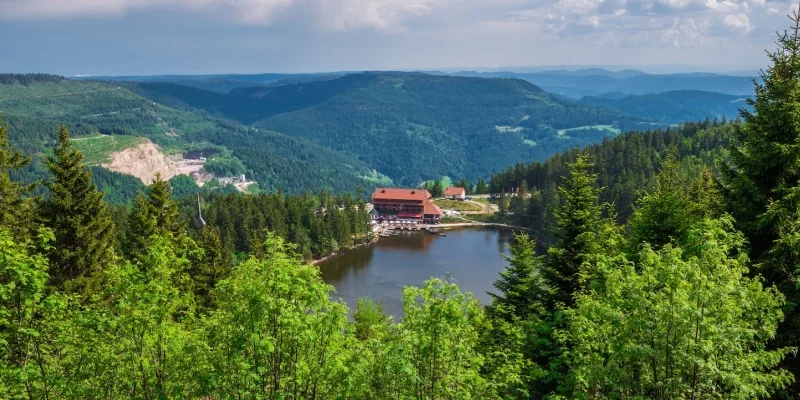
The legendary Black Forest is a wonderland for nature lovers. It is filled with dense evergreens, cuckoo clock villages, and tranquil lakes. Hike or cycle through well-marked trails, visit thermal spas in Baden-Baden, or try the region’s famous Black Forest cake. Misty mornings in spring and crisp autumn days are particularly enchanting, with average temperatures ranging from 8°C to 16°C (46°F–61°F).
Best Time to Visit:
- October to April boasts pleasantly mild weather, perfect for outdoor activities.
- Summer months (May to September) can be excessively hot, with temperatures often exceeding 40°C (104°F).
Things do in Black Forest
- Check out Triberg, home to Germany’s highest waterfalls and charming clock makers.
- Join a foraging walk for wild mushrooms or berries with a local guide.
- Use the KONUS guest card for free regional public transport.
- Try authentic Black Forest ham from a local butcher.
6. Heidelberg Old Town
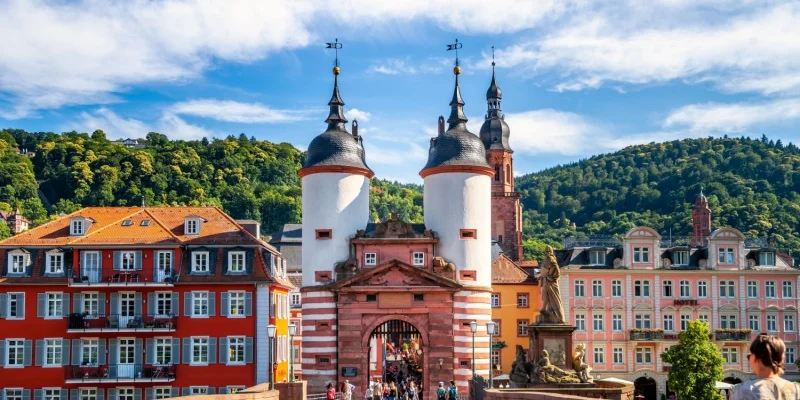
Heidelberg’s Old Town nestled along the Neckar River, crowned by the romantic Heidelberg Castle. Its baroque architecture, bustling main street, and riverside beer gardens makes an enchanting atmosphere.The historic university, Germany’s oldest, breathes life into lively student cafes and cozy bookshops.
Late spring (April–June) and September offer lovely weather, with daytime temperatures around 15°C–22°C (59°F–72°F).
Best Time to Visit:
- October to April boasts pleasantly mild weather, perfect for outdoor activities.
- Summer months (May to September) can be excessively hot, with temperatures often exceeding 40°C (104°F).
Heidelberg Travel Tips
- Stroll the Philosopher’s Walk for the best panoramic views of the city and castle.
- Visit early morning or late evening for lesser crowds along the Altstadt.
- Try a traditional Flammkuchen (German flatbread) in a riverside eatery.
- Attend one of the university’s open lectures or student concerts for a lively touch.
7. Hamburg’s Speicherstadt
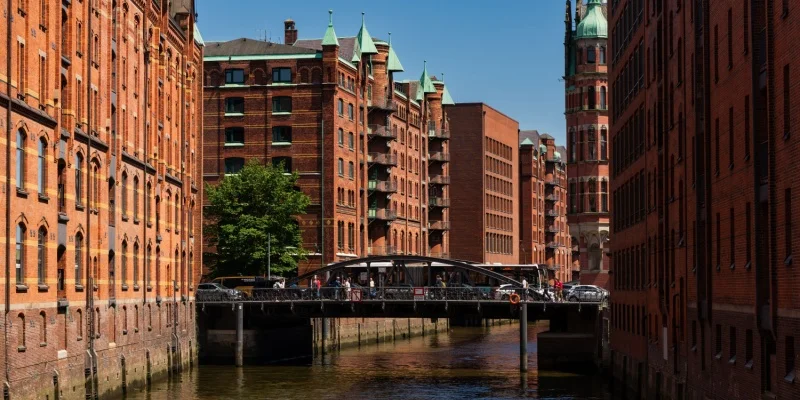
The Speicherstadt, Hamburg’s UNESCO-listed warehouse district, is a striking maze of red-brick canals, bridges, and atmospheric coffee warehouses. Tourists can explore museums like Miniatur Wunderland (the world’s largest model railway), or enjoy freshly roasted coffee at riverside cafés. The district is evocative in spring and fall, with mist rising from the canals and temperatures between 10°C–18°C (50°F–64°F).
Best Time to Visit:
- October to April boasts pleasantly mild weather, perfect for outdoor activities.
Speicherstadt Travel Tips
- Take an early-morning boat tour to capture the surrounding beauty.
- Visit the Spice Museum to learn about Hamburg’s trade history.
- Combine your trip with a stroll around the new HafenCity for futuristic architecture.
- Do not forget to taste the authentic Franzbrötchen, a sweet cinnamon pastry, at a local bakery.
8. Dresden’s Old Town (Altstadt)
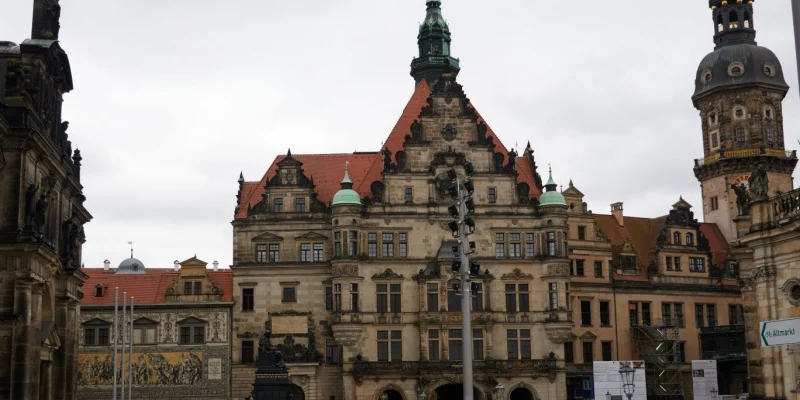
Dresden, often called the “Florence of the Elbe,” dazzles tourists with its ornate baroque palaces and art-filled museums. The restored Frauenkirche, Zwinger Palace, and Semper Opera House reflect its rich past. On the other hand, the city’s riverside meadows burst with family outings. Summer festivals are also a great time to visit this place.
Best months are from May to September, when temperatures range from 16°C–25°C (61°F–77°F).
Best Time to Visit:
- October to April boasts pleasantly mild weather, perfect for outdoor activities.
- Summer months (May to September) are not advisable to plan your visit as the temperature rises till 40°C (104°F).
Things to do at Dresden
- Attend a classical concert at the rebuilt Frauenkirche for moving acoustics.
- Cross to the Neustadt district for funky cafés and street art.
- Join a night paddle steamer cruise along the Elbe for a magical city view.
- Try Eierschecke, a delicious local cake, at a riverside café.
Travel Guide for Visiting Germany
- Visa Tips: Most EU/EEA citizens can enter visa-free. Many non-EU travelers require a Schengen visa. It is important to check the visa requirements for your country.
- Best Travel Months: May to June and September to early October for perfect weather and fewer crowds.
- Currency: Euro (€). ATMs are widely available. Do alert your bank before traveling for best rates.
- Dress Code: Casual and layers work best for variable weather. Modest attire is appreciated in churches.
- Languages Spoken: German is the official language but English is widely spoken in tourist areas.
- Transport: Extensive train network (Deutsche Bahn), regional buses, city metros, trams, and rideshare apps like Free Now.
Final Thoughts
Germany can be one of the best places to spend a vacation with loved ones. This country is much more than beer halls and bratwurst. Whether you’re drawn to majestic castles, modern art, vibrant river cities, or quiet forest trails, there’s an adventure waiting for every kind of tourist. Exploring the places to visit in Germany gives you a taste of Europe’s rich heritage and forward-thinking culture at once. If you are planning a vacation soon in Germany, it is essential that you must visit the above mentioned places. Warm hospitality, hidden gems, and unique local traditions awaits your visit.
Places to Visit in Germany – FAQ’s
- Is Germany expensive to visit?
Germany offers options for all types of tourists. Public transport and casual eats are affordable, while luxury experiences are also plentiful. Booking activities and accommodation in advance helps save money.
- Is Germany safe for solo and family travelers?
Germany is one of Europe’s safest countries for travelers. Cities are well-lit, crime rates are low, and public transport is reliable. Still, always keep an eye on personal belongings, especially in busy areas.
- What food and drinks must I try in Germany?
Don’t miss classics like bratwurst, pretzels, schnitzel, and regional beers. Vegetarian options are increasingly popular, and most towns have markets with local cheese, breads, and pastries.
- Do I need a visa to travel to Germany?
EU and Schengen area residents don’t need a visa, while other nationalities may need to apply ahead of time. Always check current requirements before booking.
- Can I travel around Germany with only English?
Yes, English is widely spoken in major cities and tourist sites. Learning a few basic German phrases is appreciated and can enhance your experience, especially in rural areas.
- Is public transport in Germany easy to use?
Absolutely. Trains, trams, and buses cover all regions. Consider buying a Eurail or regional ticket for unlimited travel days. Apps like DB Navigator make planning effortless.
- What’s the best time to visit for festivals and events?
Late spring through early autumn (May–September) is perfect for festivals. Don’t miss Oktoberfest in Munich or Christmas markets across the country in December.
- What should I pack for Germany?
Bring layered clothing for unpredictable weather, comfortable shoes for walking, and a light coat. Modest attire is suggested for church visits.
- Are credit cards widely accepted in Germany?
Cash is still king, especially in smaller towns, cafés, and markets. Always carry some Euros, but most cities and larger stores accept cards.
- What are local customs I should know about?
Punctuality is highly valued in Germany. Greet shopkeepers when entering, and tip modestly in restaurants (around 5–10%). Always wait to cross streets until the pedestrian light turns green.