

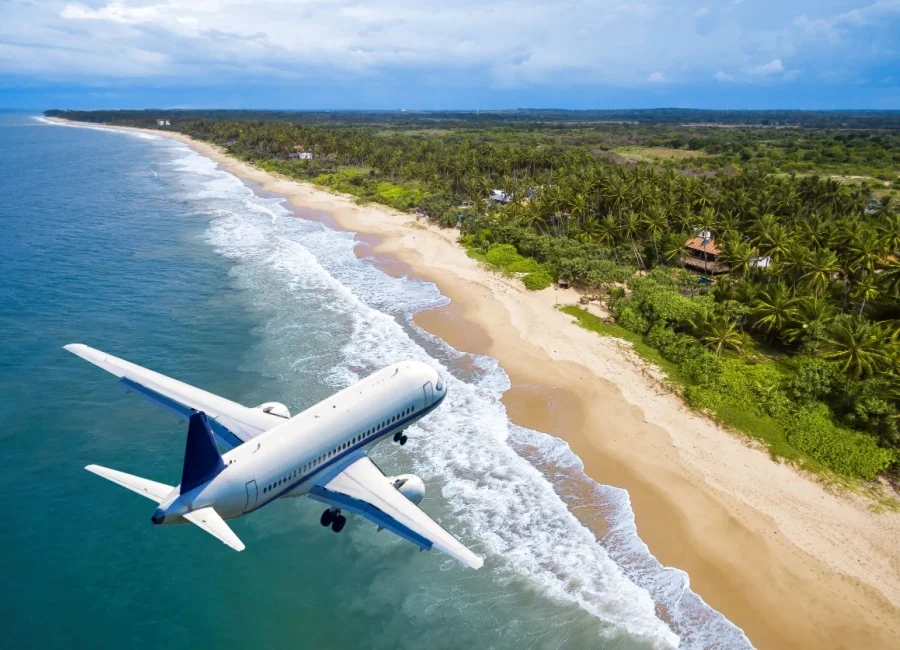
Top Places to Visit in Australia for Families, Couples, and Solo Travelers


Australia is a top destination for tourists looking for variety and adventure. There are many places to visit in Australia, from the busy streets of Sydney to the wild landscapes of the Outback. The country is known for natural wonders like the Great Barrier Reef, Uluru, and its long coastline of beautiful beaches. In the cities, you can try world-class coffee, shop at local markets, and see famous spots like the Sydney Opera House. Australia is also home to native animals like kangaroos and koalas. Outdoor lovers will enjoy national parks, hiking trails, and the chance to snorkel or surf. You’ll find a mix of cultures, from Indigenous heritage to food and traditions brought by people from all over the world. Travel in Australia is easy, with good transport and friendly locals to help. Here in this blog, we have mentioned some of the best places that you can visit in Australia.
12 Best Tourist Places to Visit in Australia
1. Sydney Opera House
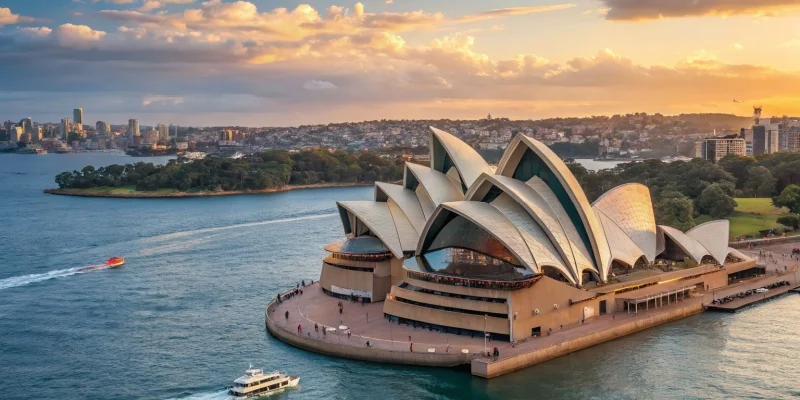
The Sydney Opera House is a top landmark in Australia, located on Sydney Harbour at Bennelong Point. Its sail-like shape is recognized worldwide. Opened in 1973, it is a UNESCO World Heritage Site and a major venue for music, theater, and dance. Over 1,500 performances are held here each year. Visitors come for guided tours, to watch shows, or to enjoy harbour views and take photos. The Opera House is next to the Royal Botanic Garden and Circular Quay, so it’s easy to explore nearby sights after your visit.
Visiting Hours: Daily: 9:00 am – 5:00 pm
Things to Do
- Take a guided tour
- Watch a live show
- Enjoy harbour views
- Explore nearby gardens and cafes
2. Great Barrier Reef
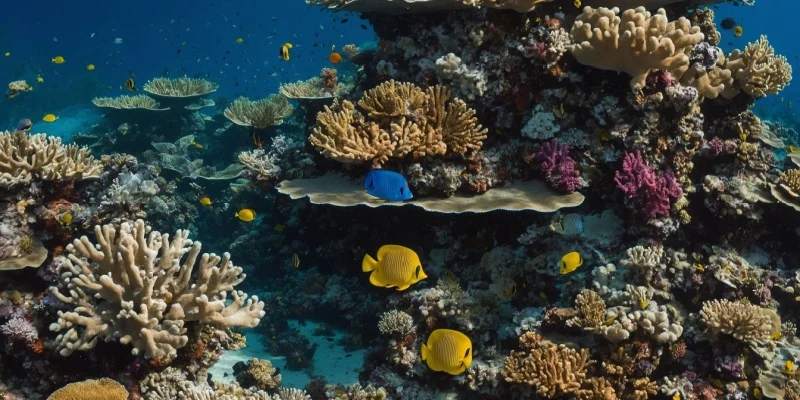
The Great Barrier Reef is a natural wonder stretching over 2,300 km along Queensland’s coast. Home to dazzling coral, turtles, and hundreds of marine species, it’s paradise for snorkelers and divers. Explore by boat, helicopter, or even join a guided eco-tour. The reef can be reached from towns like Cairns, Port Douglas, and Airlie Beach. It’s a UNESCO World Heritage Site and a popular place for snorkeling, diving, and boat tours. The clear waters offer great views of the underwater world, making it a must-see for nature lovers and families.
Best Time to Visit: June to October
Things to Do
- Snorkeling and scuba diving
- Glass-bottom boat or reef cruises
- Underwater photography
- Visit reef islands like Green Island or Hamilton Island
- Learn at local marine centers
3. Uluru (Ayers Rock)
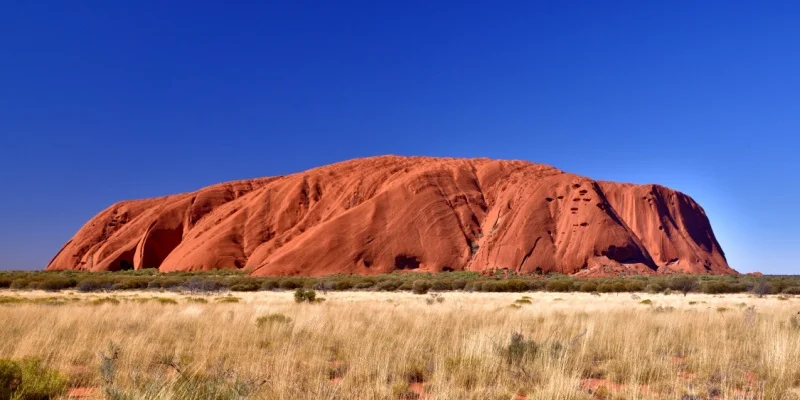
Uluru, also known as Ayers Rock, is a giant sandstone rock formation in the center of Australia’s Northern Territory. It rises 348 meters high and is one of the country’s most famous natural landmarks. Uluru is sacred to the local Anangu people and is part of Uluru-Kata Tjuta National Park. The rock changes color at sunrise and sunset, creating beautiful views. Visitors can walk around the base, join guided tours, and learn about Aboriginal culture. There are also displays about local plants and animals at the cultural center nearby.
Best Time to Visit: May to September
Things to Do
- Walk or cycle the base trail around Uluru
- Watch sunrise or sunset for changing colors
- Visit the Cultural Centre
- Join a guided tour to learn about Aboriginal stories
- Explore nearby Kata Tjuta (The Olgas)
4. Great Ocean Road
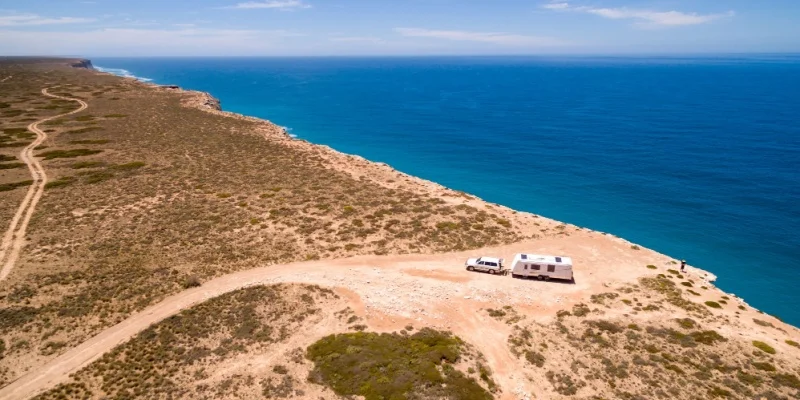
The Great Ocean Road is one of Australia’s most spectacular drives. Stretching about 240 kilometers along the south coast of Victoria, it runs from Torquay to Allansford. The road is known for its stunning ocean views, rugged cliffs, and landmarks like the Twelve Apostles rock formations. Along the route, travelers can see beaches, rainforests, and wildlife such as koalas and kangaroos. There are small towns to stop in for food and shops, and plenty of lookouts for photos. The Great Ocean Road is popular for road trips and day tours from Melbourne.
Visiting Hours: Road is open 24×7
Visitor centers are open from 9:00 am to 5:00 pm.
Things to Do
- Visit the Twelve Apostles
- Walk on coastal trails
- Spot wildlife in national parks
- Explore seaside towns like Lorne and Apollo Bay
- Take photos at scenic viewpoints
5. Melbourne’s Laneways

Melbourne’s laneways are famous for their street art, small cafes, and unique shops. Found in the city center, these narrow streets have become one of Melbourne’s top attractions. Popular spots like Hosier Lane are covered in colorful graffiti and murals. Degraves Street and Centre Place are known for their busy coffee shops and food stalls. The laneways are also home to boutique stores and hidden bars. Walking through these alleys gives you a feel for Melbourne’s creative style and lively atmosphere.
Visiting Hours: 7:00 am to 5:00 pm (All Days)
Things to Do
- See street art and murals in Hosier Lane
- Have coffee at a local café
- Try local food at food stalls
- Shop at small boutique stores
- Explore hidden bars in the area
6. Bondi Beach
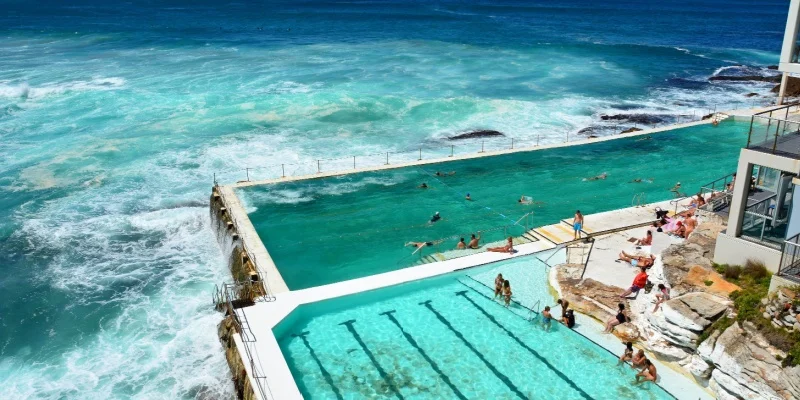
Bondi Beach is one of Australia’s most popular beaches, located just 7 kilometers from Sydney’s city center. It’s known for its wide stretch of golden sand, good surf waves, and lively atmosphere. Bondi attracts locals and tourists for swimming, sunbathing, surfing, and coastal walks. There are also cafes, restaurants, and shops along the beachside. Lifeguards are on duty year-round to keep swimmers safe. Bondi Beach is popular for family outings, group gatherings, and people watching. It’s also home to events like the Sculpture by the Sea exhibition and the weekly Bondi Farmers Market.
Visiting Hours: 7:00 am to 6:00 pm. (All Days)
Things to Do
- Swim or surf in the main flagged area
- Walk the scenic Bondi to Coogee coastal trail
- Relax on the sand or have a picnic
- Visit Bondi Icebergs pool
- Enjoy local cafes and weekend markets
7. Kakadu National Park
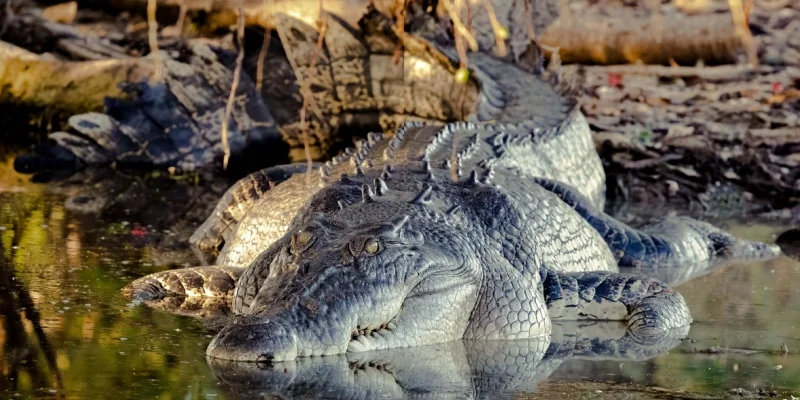
Kakadu National Park is the largest national park in Australia, located in the Northern Territory. It covers about 20,000 square kilometers and is known for its wetlands, waterfalls, and rich wildlife. The park is home to crocodiles, wallabies, and many bird species. You’ll also find ancient Aboriginal rock art sites, some over 20,000 years old. Kakadu is a UNESCO World Heritage Site, famous for both its natural beauty and cultural history. Visitors can explore on foot, by boat, or on guided tours. The changing seasons bring different views and experiences throughout the year.
Visiting Hours: 8:00 am to 5:00 pm (All Days)
Things to Do
- Cruise on Yellow Water Billabong
- Visit Nourlangie and Ubirr rock art sites
- Swim in natural pools (check for safe spots)
- Go birdwatching or join a ranger tour
- Explore walking trails and lookout points
8. Blue Mountains
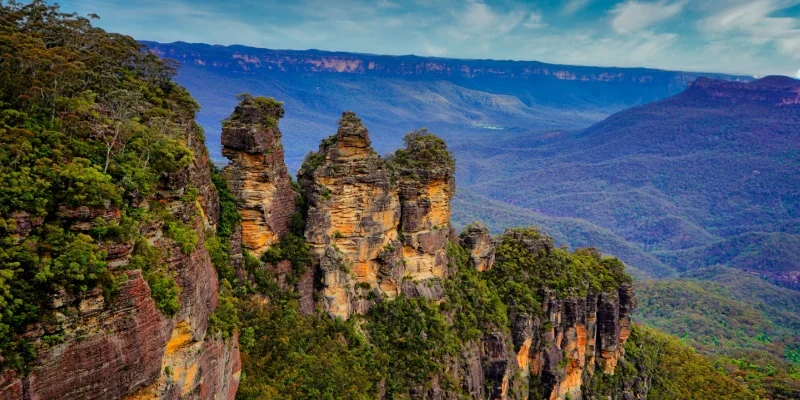
The Blue Mountains is a popular tourist spot west of Sydney, known for its dramatic cliffs, deep valleys, and eucalyptus forests. The area is famous for the Three Sisters rock formation, scenic lookouts, waterfalls, and walking trails. The fresh mountain air and peaceful views attract hikers, nature lovers, and families. Small towns like Katoomba and Leura offer cafes, shops, and art galleries. The region is great for bushwalking, picnics, and photography, with regular trains making it easy to visit from Sydney.
Best Time to Visit: September to November
Things to Do
- See the Three Sisters at Echo Point
- Ride the Scenic Railway and cableway
- Walk bush trails to waterfalls
- Visit the Blue Mountains Botanic Garden
- Explore cafes and shops in Katoomba and Leura
9. Daintree Rainforest
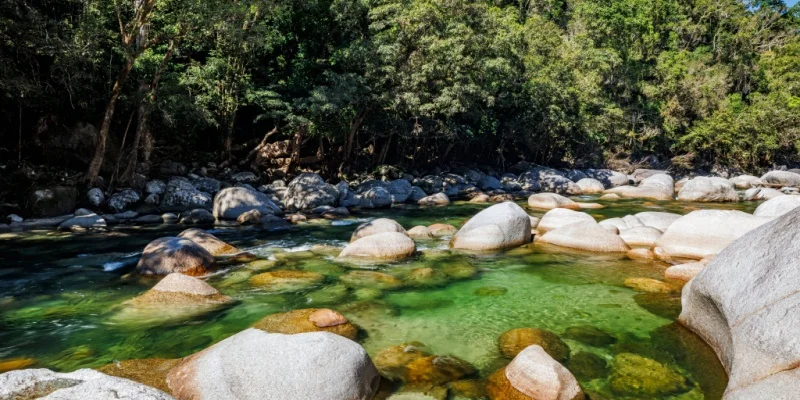
The Daintree Rainforest in Queensland, Australia, is one of the oldest rainforests in the world, estimated to be over 180 million years old. It covers about 1,200 square kilometers and is home to a wide range of plants, animals, and insects, many of which are not found anywhere else. The rainforest meets the Great Barrier Reef along the coast, making it the only place where two UNESCO World Heritage sites meet. Visitors can see ancient trees, rare birds, reptiles, and even the endangered cassowary. The area is managed with a strong focus on conservation and respect for Aboriginal culture.
Best Time to Visit: May to September
Things to Do
- Walk through forest boardwalks
- Take guided wildlife tours
- Visit Mossman Gorge
- Cruise the Daintree River to spot crocodiles
- Learn about Aboriginal heritage and traditions
10. Fremantle
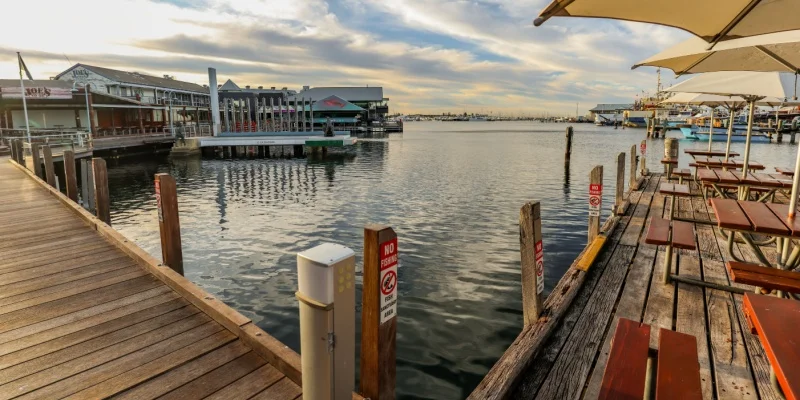
Fremantle is a coastal city in Western Australia, located just 30 minutes from Perth. Known for its well-preserved 19th-century buildings, it blends history with a lively atmosphere. Fremantle is home to one of the busiest ports in Australia and has deep roots in maritime history. It is also famous for its markets, old prisons, and street art. The town has a strong local culture with museums, art galleries, and heritage trails. It’s a walkable city with a mix of cafés, pubs, and shops that reflect its relaxed lifestyle.
Best Time to Visit: October to April
Things to Do
- Explore Fremantle Prison
- Visit Fremantle Markets
- Stroll along the Esplanade Park
- Discover the Maritime Museum
- Enjoy street performances and live music in the city center
11. Wineglass Bay, Tasmania
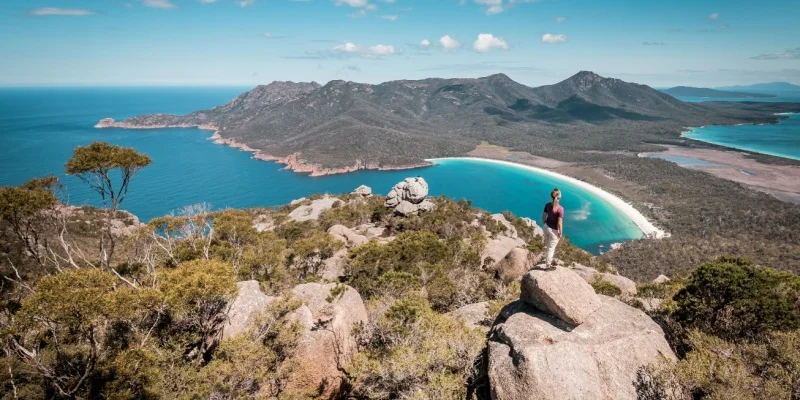
Wineglass Bay is one of Tasmania’s most scenic spots, located inside Freycinet National Park. The bay is shaped like a perfect curve, with white sand and clear blue water. It’s a popular place for walking, wildlife watching, and photography. Visitors can reach the lookout by hiking a well-marked trail, which takes about 45 minutes one way. The view from the top offers a wide-angle look at the bay and surrounding coastline. Wallabies and other local wildlife are often seen along the trail.
Best Time to Visit: October to April
Things to Do
- Hike to the Wineglass Bay Lookout
- Swim at the beach (conditions permitting)
- Go kayaking or take a boat tour
- Watch for local wildlife
- Explore nearby beaches and walking trails in Freycinet National Park
12. Barossa Valley
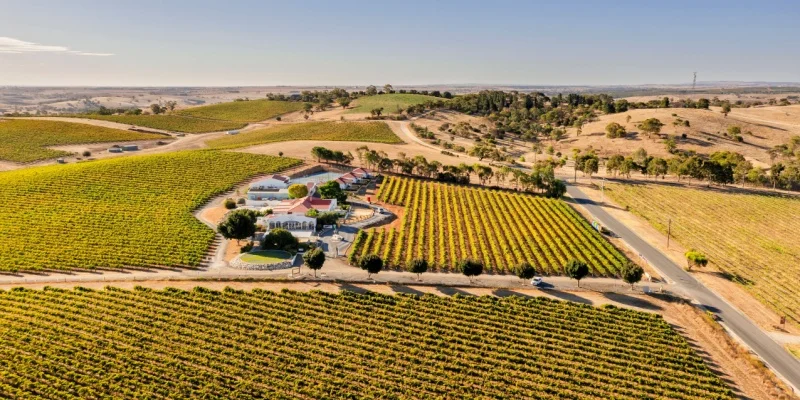
Barossa Valley is one of Australia’s most famous wine regions, located about 60 km northeast of Adelaide. It’s known for its vineyards, historic wineries, and local food culture. The area produces some of the country’s best Shiraz and other red wines. Along with wine tasting, visitors can enjoy scenic drives, bike trails, and visits to farmers’ markets. The region also offers charming towns with heritage buildings, small shops, and cozy cafés.
Best Time to Visit: March to May (Autumn)
Things to Do
- Wine tasting at local wineries
- Visit farmers’ markets for local produce
- Explore trails by bike or car
- Enjoy regional food at restaurants and cafes
- Visit heritage sites and local art galleries
Travel Tips to Before Exploring places to Visit in Australia
- Visa Requirement: Apply for a valid tourist visa or ETA (Electronic Travel Authority) before arrival.
- Currency: The local currency is the Australian Dollar (AUD). Credit/debit cards are widely accepted.
- Transport: Public transport (buses, trains, ferries) is reliable in cities. Tap-on cards like Opal (Sydney) or Myki (Melbourne) are used.
- Weather Awareness: Australia’s weather varies by region. The north is tropical, while the south has cooler seasons.
- Health: No mandatory vaccines, but travel insurance is highly recommended for medical coverage.
- Electrical Plug: Australia uses Type I plugs, 230V voltage. Bring an adapter if needed.
- Language: English is the official language. Signs, menus, and transport systems are in English.
- Tipping: Not expected, but rounding up or small tips in restaurants and taxis are appreciated.
- Safety: Tap water is safe to drink. Cities are generally safe, but stay alert in crowded places.
- Internet: Free Wi-Fi is available in most airports, hotels, cafes, and shopping centers.
Final Thoughts
From big cities to quiet beaches, there are many exciting places to visit in Australia. You can walk through rainforests, swim at famous beaches, or see wildlife up close. History lovers can explore ancient Aboriginal sites, while adventure seekers can hike, dive, or surf. Each place has something different to offer. The people are warm and welcoming, and the natural views are truly special. Whether you’re planning a family trip, a romantic holiday, or traveling solo, Australia has something for everyone. Don’t just stick to popular spots—some of the best places are hidden and less crowded. Take your time, travel safely, and enjoy each moment. Exploring the many places to visit in Australia will give you memories that last forever. Let the journey surprise you with all it has to offer.
Places to Visit in Australia – FAQ’s
1. Is Australia expensive to visit?
Australia can be pricier than some destinations, especially in major cities, but there are plenty of ways to save. Look for free attractions, travel by public transport, and grab meals from local markets or casual cafes.
2. How safe is Australia for tourists?
Australia is considered very safe for travelers, with low crime rates in most areas. As with any trip, use common sense, and stay alert in crowded places and at night.
3. What food should I try in Australia?
Don’t miss classic meat pies, fresh seafood, pavlova, barramundi, and “brekkie” (breakfast) in trendy cafes. Try local specialties like kangaroo or crocodile if you’re feeling adventurous.
4. Are there any cultural customs or local laws I should know?
Respect Aboriginal heritage and always ask before taking photos at sacred sites. Smoking is banned in many public places, and drinking alcohol is restricted in some parks.
5. Is Australia suitable for family travel?
Absolutely, Australia is very child-friendly, with loads of zoos, aquariums, theme parks, and kid-friendly museums. Beaches often have lifeguards and safe swimming zones for children.
6. What should I pack for a trip to Australia?
Pack sun protection (hat, SPF, sunglasses), comfy shoes, layers for variable weather, and a reusable water bottle. Insects can be an issue in summer, so bring repellent.
7. What’s the weather like in Australia?
It depends on where you go! Australia is huge, with tropical north, desert center, and temperate south. Summers (Dec–Feb) are hot, while winters (Jun–Aug) can be chilly in the south but mild in the north.
8. How do I get around in Australia?
Use buses, trains, or trams in cities – transport cards make it easy. For regional highlights, renting a car gives you freedom. Domestic flights are common for long distances between states.