


Must-See Places to Visit in South Korea for K-Culture Fans and Foodies

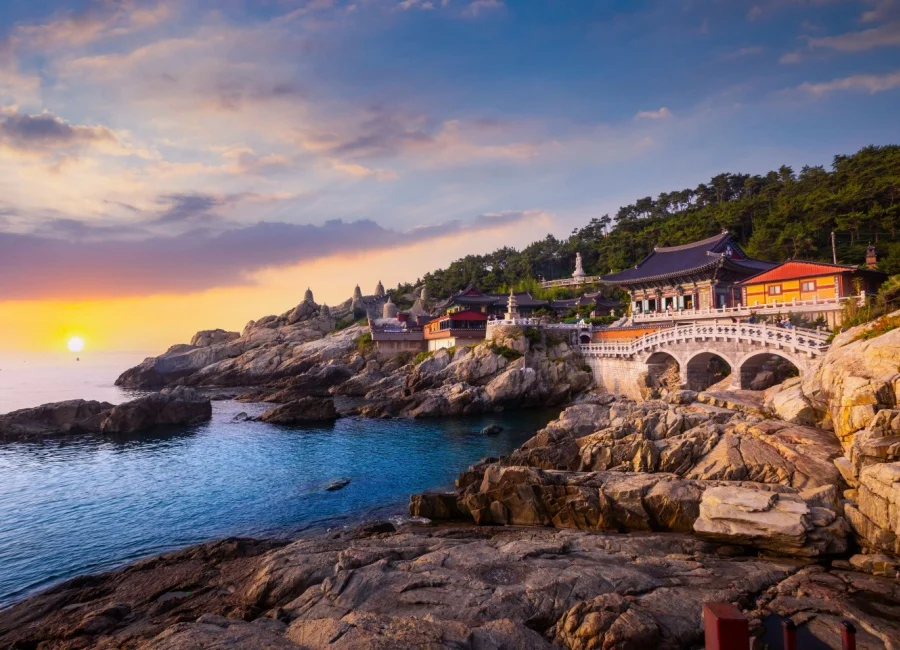
South Korea has captured the world’s attention with its popular K-pop rhythms, addictive dramas, and mouthwatering cuisine. Today, it is one of the most sought-after destinations, especially for the younger generation. Whether you are a fan of K-culture or a food enthusiast, South Korea is sure to leave you mesmerized and manifesting a return to the country. From dazzling city lights and ancient palaces to street markets packed with flavors, the country offers a beautiful mix of tradition and the future. And if you’ve got a South Korean holiday on mind, this is your perfect guide. In this blog, let’s explore top places to visit in South Korea for every K-culture fan and foodie. Scroll down...
Top Tourist Places to Visit in South Korea
Given below is the list of top places to visit in South Korea for every traveler:
Gyeongbokgung Palace
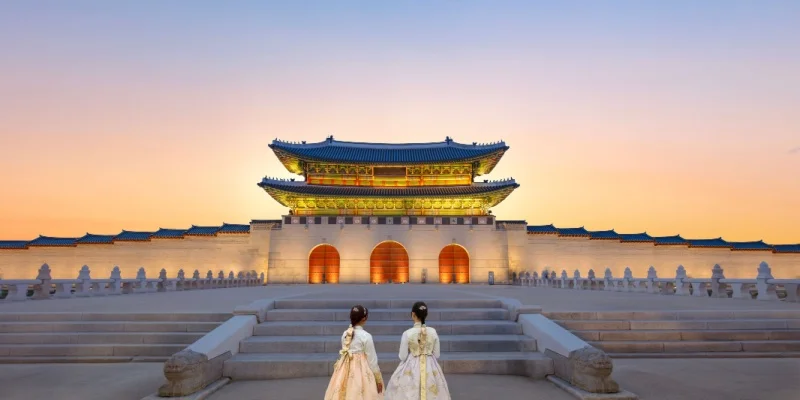
If you want to witness the royal grandeur of South Korea, visit the majestic Gyeongbokgung Palace in Seoul. Built in 1395, it’s the largest of the Five Grand Palaces in the city. Explore its regal halls and admire its stunning architecture. Put on a beautiful Hanbok for photo ops that feel like a K-drama set come to life. Don’t miss the colorful guard-changing ceremony, which takes place twice a day. It’s one of South Korea’s prime cultural showcases and a must for any first-time visitor.
Bukchon Hanok Village
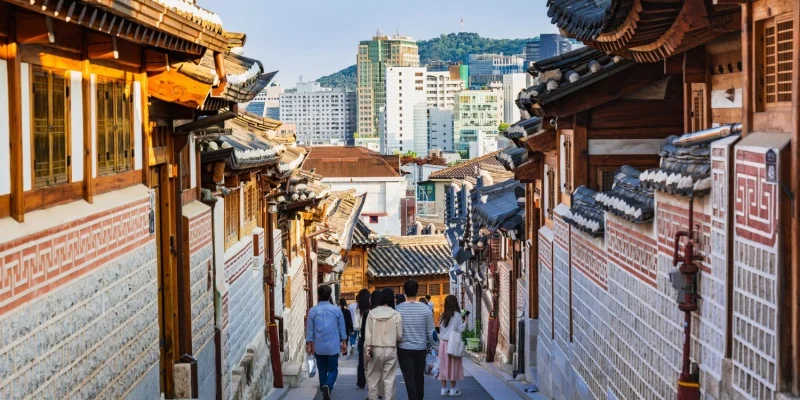
Nestled between Gyeongbokgung and Changdeokgung, Bukchon Hanok Village is a living museum of Korean architecture and heritage. Wander through the winding alleys lined with elegant hanoks (traditional Korean houses) from the Joseon dynasty. While most of the houses are inhabited by families, you will also find charming teahouses, cultural workshops, and artisan boutiques in the village. A visit to Bukchon Hanok Village is a chance to experience old Seoul, take striking photos, and support local craftsmen.
Myeongdong Street Food Market

For foodies, Myeongdong is paradise. This energetic district overflows with sizzling street stalls and beauty shops. Tantalize your taste buds with tteokbokki (spicy rice cakes), hotteok (sweet pancakes), and grilled skewers. Don’t forget to try bubble tea or fresh strawberry juice! Myeongdong’s playful mix of contemporary fashion and classic flavors makes it a must–visit spot for those who love trying new dishes!
Hongdae
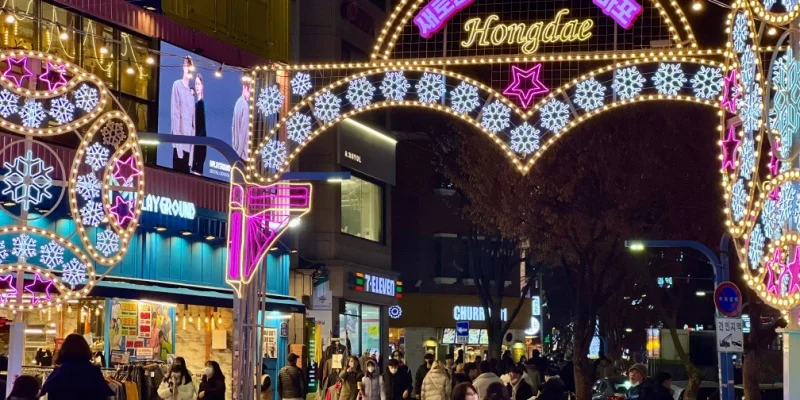
Hongdae is Seoul’s hotspot for youth culture, indie music, and vibrant street art. During the day, visitors can enjoy shopping for quirky clothes and experience the K-pop swag. By night, watch performances by live bands, cheer for impromptu dance battles, and explore bustling night markets. This is where local creativity truly shines — and you might even spot rising stars busking before they hit it big!
Insadong
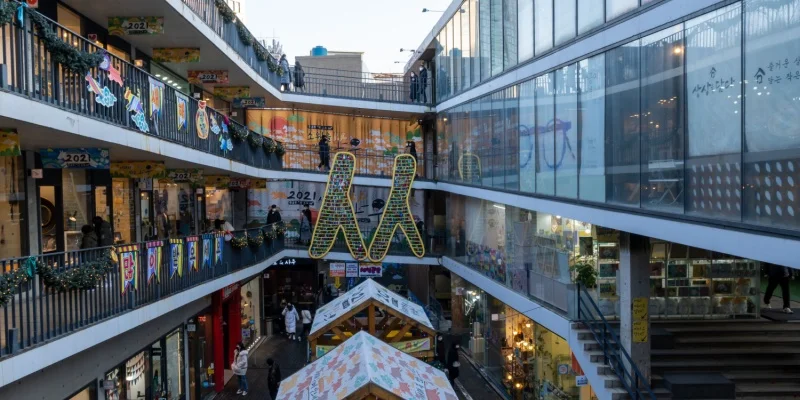
Insadong is a vibrant neighborhood in Seoul, offering an incredible insight into Korean tradition and modernity. The place is best known for its antique shops, calligraphy galleries, and traditional tea houses. Shop handmade Hanji (traditional Korean paper) crafts or savor a quiet cup of omija tea. It’s also a perfect weekend spot with charming performances and cultural parades taking place every now and then.
Jeonju Hanok Village
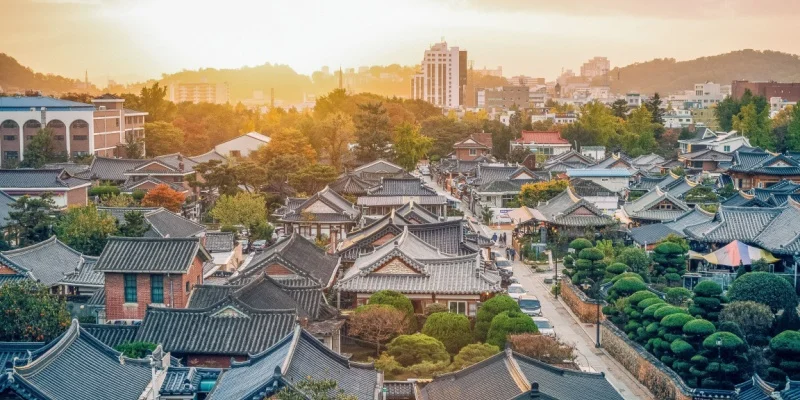
Jeonju is often called Korea’s culinary capital, and its Hanok Village promises an authentic experience of country’s delicious flavors and rich culture. The village has over 700 historic wooden buildings (hanok), which makes it Korea’s largest and only urban village. Try Jeonju bibimbap, explore the quaint alleyways of the village, or even stay overnight in a traditional Korean guesthouse. The combination of delicious street foods and rich history makes Jeonju irresistible to K-culture fans and foodies alike.
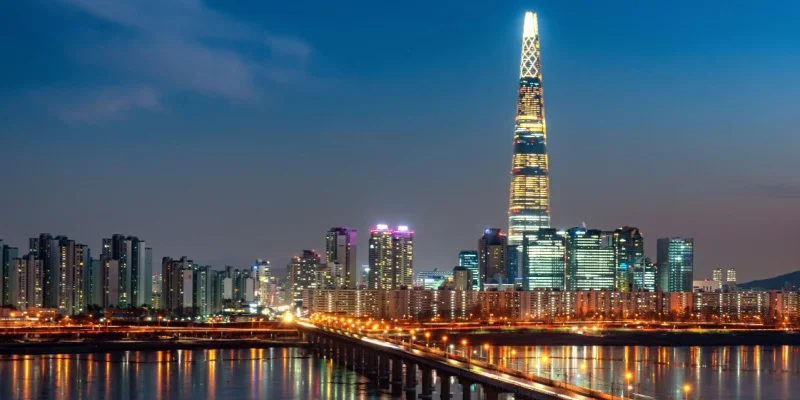
Namsan Seoul Tower
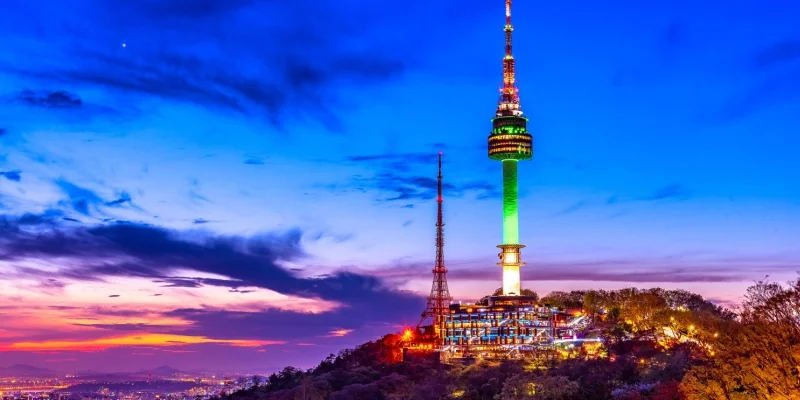
For the best panoramic view of Seoul, head up to Namsan Seoul Tower perched atop the lush Namsan Mountain. Take the scenic cable car and then climb to the observation deck — you’ll see the whole city sparkle, especially at sunset. Couples come here to attach padlocks to the fence in the ‘Love Locks’ area as a symbol of their bond. And if you are a true K-drama fan, you definitely have seen this romantic landmark in many popular series.
Noryangjin Fish Market
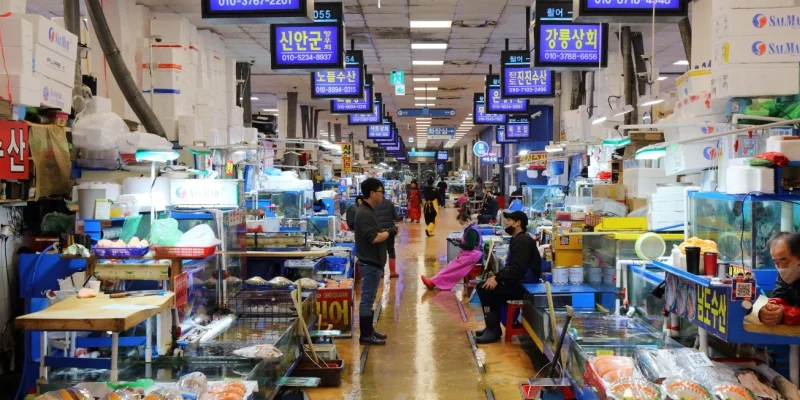
Craving seafood on your trip to South Korea? Look no further than Noryangjin Fish Market, the largest and oldest seafood market in the country. Here, the stalls overflow with fresh fish and rare delicacies every day. Pick your seafood and then get it prepared at one of the on-site restaurants for an unforgettable meal. It’s an immersive experience that food lovers shouldn’t miss!
Dongdaemun Design Plaza (DDP)
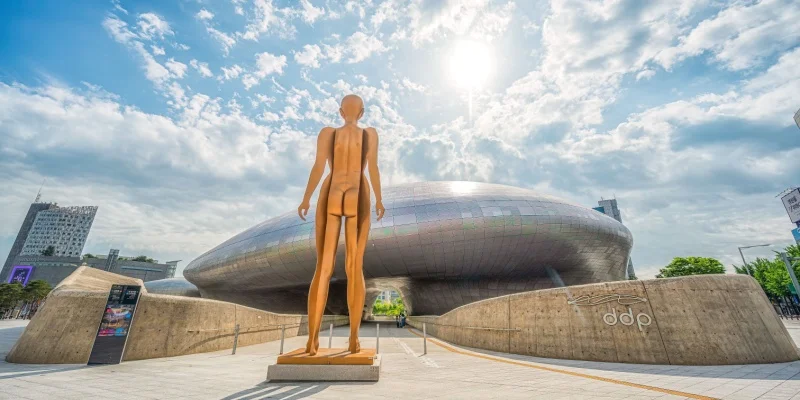
Designed by Zaha Hadid, Dongdaemun Design Plaza (DDP) stands out for its innovative curves and LED rose garden. It was established in 2011 and hosts art shows, fashion events, K-pop concerts, and design markets. Take Instagram-worthy photos and explore the area’s late-night shopping scenes — it’s a favorite among K-culture and trend seekers.
Busan Gamcheon Culture Village
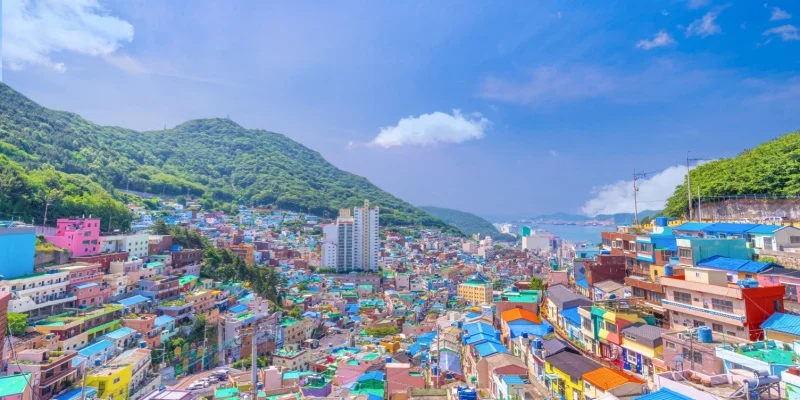
Busan’s Gamcheon Culture Village delights with its pastel-painted houses and whimsical murals. Once a hillside slum, today it’s an artsy, photogenic maze featuring indie shops, cozy cafés, and jaw-dropping city views. Every corner offers surprises, making it a top must-see place in South Korea.
Gwangjang Market
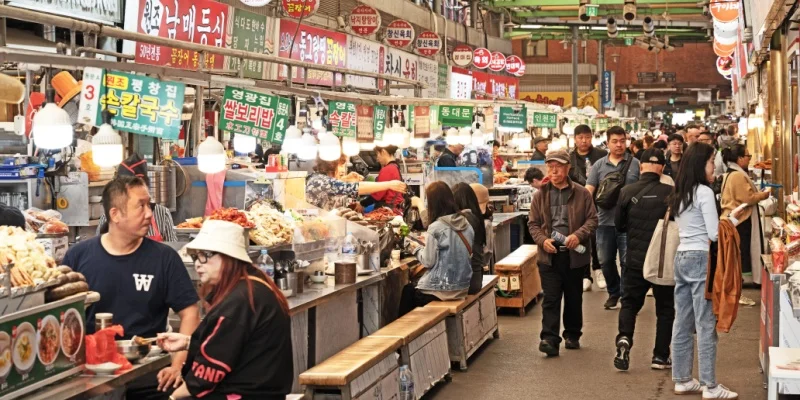
One of Seoul’s oldest markets, Gwangjang is where local foodies go for traditional Korean food. Sit shoulder-to-shoulder at bustling stalls serving bindaetteok (mung bean pancakes), mayak gimbap, and fresh sashimi. Watch famous market ajummas bustling at work — you’ll feel like a part of everyday life in Korea.
Hallyu Star Street (Cheongdam-dong)
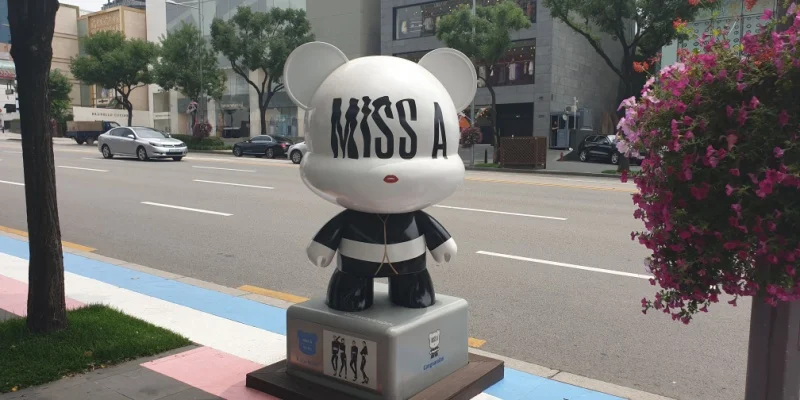
K-pop fans, this is your mecca! Hallyu Star Street (K-Star Road) is lined with agencies, idol billboards, trendy cafés, and shops selling albums signed by popular stars. It’s the best spot to hunt for star sightings, collect premium merch, or pose at iconic entertainment buildings.
BTS Bus Stop at Jumunjin
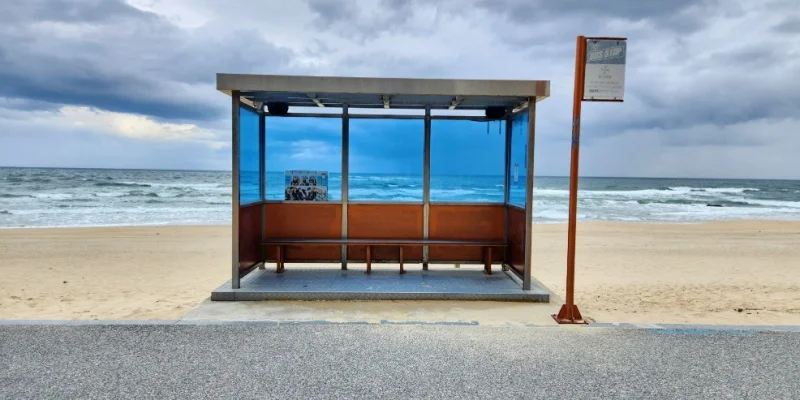
This unassuming coastal bus stop became a bucket-list attraction after appearing in BTS’s ‘You Never Walk Alone’ album art. Sitting along the remote Jumunjin Beach, it is a popular spot by ARMYs for iconic photos and serene ocean views. It’s literally a pilgrimage spot for true K-pop fans.
Songdo Central Park (Incheon)
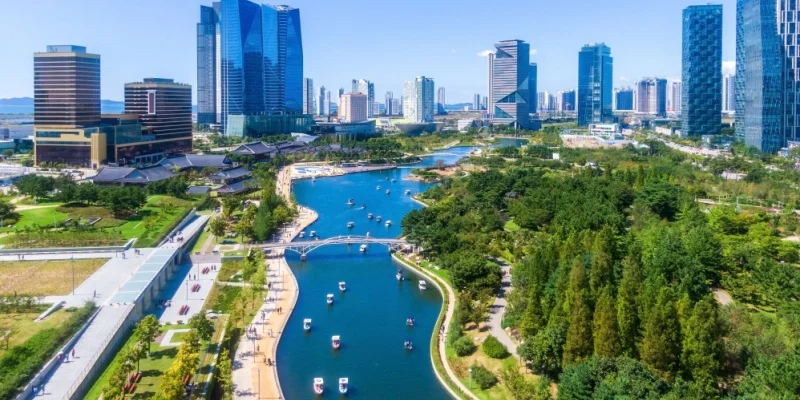
Opened in 2014, Songdo Central Park is popular for its tranquil canals, water taxis, and seasonal flower festivals. Situated in Songdo International City, this futuristic public park spans over 101 acres of land. Visitors can enjoy peaceful strolls, take cycle rides or indulge in ‘Han River BBQ’ picnics — the perfect way to unwind away from the hustle and bustle of the city.
Insider Tips for Travelers
Gyeongbokgung Palace Local Tips:
- Arrive early to avoid large crowds and explore the palace in peace
- Rent a hanbok nearby — you’ll get free palace entry and stunning photos
- Check guard-change schedules for the best cultural performance shots
- Visit the National Folk Museum on the palace’s grounds – entry is free!
How to Make the Most of Your Visit to Bukchon Hanok Village
- Download a walking map from the Bukchon Village website — easy to get lost!
- Visit in the morning for peaceful photos and fewer tourists
- Speak softly in the alleys as residents still live here
- Pop into a hands-on workshop for pottery or traditional crafts
Myeongdong Street Food Market Travel Tips
- Many stalls only accept cash; bring 1,000 KRW and 5,000 KRW notes
- Try snacks in small portions so you can sample a wide variety
- Weeknights are less crowded than weekends
- Keep an eye out for ‘K-food’ favorites like cheese tteokbokki and tornado potatoes!
Things to Do in Hongdae
- Don’t miss Hongdae’s famous free street performances (usually after 7 PM)
- For unique souvenirs, browse through indie designer stores off the main road
- Enjoy after-dark clubs and themed bars catering to creatives
- Grab a bite at one of the area’s hidden basement eateries
Activities to Do in Insadong
- Visit Ssamziegil for snacks and souvenir shopping
- Attend a traditional tea ceremony at one of Insadong’s historic teahouses
- Check out the weekend street markets for live art demonstrations
- Watch out for spontaneous samulnori drumming performances
Jeonju Hanok Village Travel Tips
- Stay overnight in a hanok guesthouse for authentic cultural experience
- Try tasting Jeonju’s famous Choco pies at original bakeries
- Rent a retro-style bike to explore the scenic riverside pathway
- Don’t miss the street food alleys for savory local dishes
Insider Tips for Visiting Namsan Seoul Tower
- Time your visit at sunset for breathtaking cityscape photos.
- Purchase combo tickets online for cable car and observatory access.
- Couples, bring your own lock to attach onto the famous ‘Locks of Love’ fence’
- On clear days, the 360° deck offers views as far as Incheon.
How to Make the Most of Your Visit to Noryangjin Fish Market
- Go early for the best selection and lively auctions
- Negotiate prices for seafood — bargaining is acceptable!
- Choose the freshly caught fish, shellfish, or crab from the stall and head upstairs for immediate preparation and serving
- Sannakji (live octopus) is a must-try for adventurous eaters
Dongdaemun Design Plaza Travel Tips
- Check the official event schedule for night markets and art festivals.
- Visit at night to see the illuminated LED rose field — a top Instagram shot.
- Explore both above-ground exhibitions and underground shopping malls.
- Nearby Dongdaemun Market is open late for post-visit retail therapy.
Gamcheon Culture Village Things to Do
- Pick up a village map to find quirky photo zones.
- Follow mural hunt trails — some areas offer hidden stamp-collecting challenges.
- Visit early morning for the prettiest light and quietest streets.
- Try local street snacks like ssiat hotteok (seed-stuffed pancakes).
Gwangjang Market Insider Tips
- Skip lunch to enjoy maximum food dishes
- Order bindaetteok from granny-run stalls for the crunchiest bite.
- Go in small groups to enjoy more dishes with a shorter queue time.
- Don’t hesitate to sit at communal tables and chat with locals.
Hallyu Star Street Travel Tips
- Download a fan map to spot your favorite celebrity’s agency headquarters.
- Go Café-hopping for Hallyu-themed desserts and idol standees.
- Visit shops in the afternoon when the official merch drops.
- Keep your camera ready for surprise celebrity encounters!
BTS Bus Stop at Jumunjin Activities
- Bring your own BTS props or posters for fun recreation photos.
- Combine with a visit to Gangneung’s scenic beaches or ARMY mural sites.
- Avoid the midday rush; mornings have better light for photos.
- Don’t litter the site to help preserve it for future fans and visitors .
Songdo Central Park Activities to Do
- Rent a bike or a water taxi to explore the park from a different perspective
- Pack snacks and drinks from nearby markets for a picnic
- Admire the local art sculptures along the pathways
- Plan a visit in spring and autumn to attend flower festivals and pop-up concerts
Quick Reference Table for Visiting Hours
| Location | Opening Hours | Best Time to Visit |
|---|---|---|
| Gyeongbokgung Palace | 9 AM – 6 PM (Open until 5 PM in Winters) – Closed on Tuesdays | Weekday mornings, Spring (April-June) and Autumn (September-November) |
| Bukchon Hanok Village | Open 24/7 (shops 10 AM – 5 PM) | Morning and late afternoon, spring or autumn |
| Myeongdong Market | 11 AM – 10 PM | Weekday evenings |
| Hongdae | Open 24/7 (most shops/cafés till midnight) | May to early October, Evenings for outdoor performances |
| Jeonju Hanok Village | Open 24/7 (museums 9 AM – 6 PM) | Spring (March-May) and Fall (September-November), weekends |
| Namsan Seoul Tower | 10:30 AM – 10:30 PM (11 PM on Weekends) | Sunset |
| Noryangjin Fish Market | Open 24/7 | Early morning or weekends |
| Gwangjang Market | 8:30 AM – 11 PM | Lunch or dinner time |
| Dongdaemun Design Plaza | 10 AM – 8 PM | Evenings for night lights |
| Gamcheon Culture Village | 9 AM to 6 PM (Open until 5 PM in Winters) | Morning, spring or autumn months |
| Hallyu Star Street | Open 24/7 (cafés 10 AM – 9 PM) | Afternoon |
| BTS Bus Stop (Jumunjin) | Open 24/7 | Morning |
| Songdo Central Park | Open 24/7 | Late afternoon, spring/autumn |
Quick Travel Guide for Visiting South Korea
- Visa policy: Most Western visitors receive a 90-day visa-free entry; check eligibility online.
- Best travel months: March–May (cherry blossoms) and September–November (fall leaves).
- Currency: Korean Won (KRW); easy exchange at banks or airport kiosks, card widely accepted.
- Dress code: Casual for most areas; dress modestly in temples and palaces.
- Languages: Korean is official; English signage in major tourist areas.
- Transport: Excellent metro in cities, affordable taxis, and easy-to-use T-money (transit) cards. Ride-sharing (Kakao Taxi, Uber) available.
South Korea is a dreamland for so many, and for all the right reasons. Whether you’re coming to attend a musical concert, indulge in traditional food, or learn about the local culture, the country offers a unique and unforgettable experience for every traveler. From royal palaces and futuristic parks to bustling street markets and iconic K-pop landmarks, there list of places to visit in South Korea is long, and each one promises to fill your journey with excitement and unforgettable memories. Your South Korea holiday awaits!
FAQs – Places to Visit in South Korea
Q1. Is South Korea expensive for tourists?
South Korea is suitable for travelers of all budgets, from mid-range to luxury seekers. Street food and public transport are very affordable, while premium K-pop experiences or trendy restaurants may cost more. Plan for mid-range prices similar to those in the US or Europe.
Q2. Is Korea safe for solo travelers?
Yes, South Korea is generally very safe and has low crime rates. As always, take standard precautions with belongings, especially in busy areas and late at night.
Q3. What foods should I try in South Korea?
Be sure to try Korean BBQ, tteokbokki, bibimbap, fried chicken, and bingsu dessert. Local markets also serve delicious gimbap and unique seafood dishes.
Q4. Are there any local customs to know before going on a trip to South Korea?
It’s polite to bow as a greeting, remove shoes before entering homes or certain cafés, and avoid speaking too loudly in traditional neighborhoods.
Q5. Can I travel to South Korea with kids?
Yes, South Korea has family-friendly attractions that make it ideal for visiting with kids. Moreover, there are plenty of interactive museums and parks to explore. Korean food also offers child-friendly options like mild stews and rice dishes.
Q6. How do I get internet access in South Korea?
Free Wi-Fi is available at airports, cafés, and many public spaces across South Korea. For convenience, you can rent a portable Wi-Fi device or get a local SIM card at the airport upon arrival.
Q7. Is tipping required in South Korea?
Tipping is not customary or expected in South Korea. While high-end restaurants may charge a small service fee, but taxi drivers and most eateries don’t require tips.
Q8. What is the best way to commute in South Korea?
KTX high-speed trains are fast and comfortable for intercity travel in South Korea. Public buses are cheaper and make a great option for budget travelers, while domestic flights connect to farther destinations like Jeju.